
What is an Autoclave Vessel and How Does it Work?
An Autoclave Vessel is an essential piece of equipment in various industries. It is primarily used for sterilization and materials processing. Understanding how this vessel operates can reveal the importance of controlled environments.
Inside the Autoclave Vessel, high pressure and temperature create conditions that kill bacteria and other pathogens. This process is critical in laboratories and medical facilities. However, the operation requires careful monitoring. Mistakes in pressure management can lead to inadequate sterilization.
The Autoclave Vessel represents both innovation and complexity. While it offers great utility, it also poses challenges. Users must be trained thoroughly to avoid accidents. Each cycle is a balance of science and safety. Comprehending its function can inspire improvements in practices.
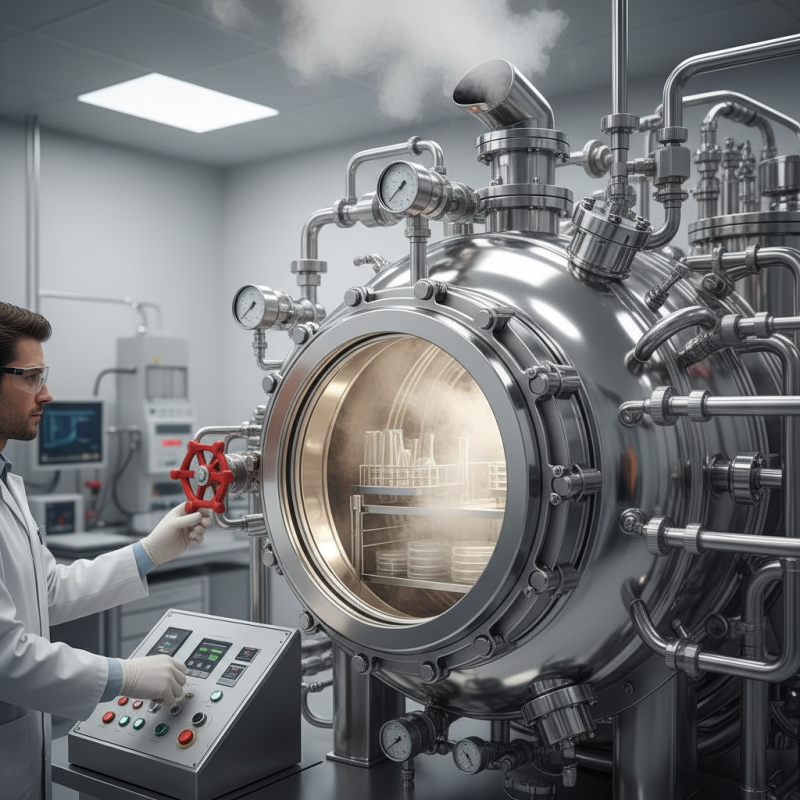
Definition and Purpose of an Autoclave Vessel
An autoclave vessel is a vital tool in many industries, particularly in healthcare and manufacturing. It is defined as a high-pressure, high-temperature chamber designed to sterilize equipment and materials. This process typically involves the use of steam under pressure, ensuring that harmful microorganisms are eliminated. According to industry reports, the global autoclave market is projected to reach $2.3 billion by 2025, reflecting the growing demand for sterilization processes across various fields.
The primary purpose of an autoclave vessel is to ensure the safety and efficacy of sterile products. In laboratories and hospitals, autoclaving is the standard for decontaminating biohazardous waste and sterilizing surgical instruments. The temperature and pressure create an environment that destroys spores and pathogens effectively. Interestingly, studies show that improper usage of autoclaves can still lead to sterilization failures, raising concerns about protocols in some facilities.
Tips: Regular maintenance of autoclaves is crucial. Ensure routine inspections and calibrations to avoid operational failures. It's also essential to train staff properly. Inadequate training may lead to errors that compromise sterilization. Ultimately, awareness of the equipment's functioning can prevent costly mistakes.
What is an Autoclave Vessel and How Does it Work?
| Feature | Description |
|---|---|
| Definition | An autoclave vessel is a pressure chamber used to process materials at high temperatures and pressures to achieve sterilization or chemical reactions. |
| Purpose | Primarily used for sterilization of medical instruments, laboratory equipment, and materials in various industrial applications. |
| Working Principle | Utilizes steam under pressure to increase temperature, effectively killing microorganisms and bacteria. |
| Common Uses | Used in hospitals, laboratories, and industries for sterilization, curing plastics, and in the food industry for canning processes. |
| Key Components | Includes a pressure chamber, heating element, steam generator, and safety valve to maintain optimal conditions and prevent overpressure. |
| Safety Features | Equipped with pressure gauges, safety valves, and locking mechanisms to prevent accidental openings and ensure safe operation. |
Components of an Autoclave Vessel
An autoclave vessel is essential in various industries. It is used for sterilization, material processing, and chemical reactions. The core components of an autoclave vessel include the chamber, door, control system, and safety features.
The chamber is the heart of the autoclave. Typically, it is made of stainless steel to resist high temperatures and pressure. It can reach temperatures up to 134°C (273°F) and pressures of 2.1 bar (30 psi). According to a recent report from the International Journal of Industrial Engineering, optimizing chamber design can enhance efficiency by 15%. The door must create a perfect seal to retain heat and pressure. A flawed seal can compromise sterilization, leading to potential safety hazards.
Control systems are vital for ensuring precise operational conditions. They monitor temperature, pressure, and time during cycles. A study published in the Journal of Manufacturing Processes highlighted that 30% of users reported inconsistencies in control system accuracy. This underscores the importance of regular calibration and maintenance. Safety features, such as pressure relief valves, are crucial. They prevent dangerous pressure buildup, which can be catastrophic if ignored. Reflecting on the design and maintenance of these components is essential for improving autoclave efficiency and safety.
The Working Principle of an Autoclave
An autoclave vessel is a specialized device used to sterilize equipment and materials. It operates under high pressure and temperature, making the process efficient for various applications. Understanding its working principle reveals its importance in fields like healthcare and research.
The core functionality of an autoclave relies on steam. Water is heated to produce steam, which fills the autoclave chamber. The pressure increases as the steam envelops the items inside. This environment kills bacteria, viruses, and spores effectively. The combination of heat and pressure enhances the penetration of steam, ensuring a thorough sterilization process.
However, not all autoclaves work perfectly every time. Factors like load configuration, exposure time, and temperature must be monitored. A misstep in any of these can lead to inadequate sterilization. Users must reflect on their practices regularly. Ensuring proper maintenance and calibration is also crucial for optimal performance. Understanding these elements can lead to improvements in safety and efficiency.
Applications of Autoclave Vessels in Various Industries
Autoclave vessels are crucial in various industries. They are used for sterilization, material processing, and chemical reactions. In the medical field, autoclaves ensure that surgical instruments are free from pathogens. This process is vital for patient safety. Hospitals rely on these devices to prevent infections.
In the food and beverage industry, autoclaves play a key role in canning processes. They help preserve food by eliminating bacteria and spoilage. The process involves heating food under pressure. However, achieving the perfect balance of time and temperature can be challenging. Occasionally, errors occur, leading to undercooked products.
The aerospace sector also benefits from autoclaves. High-performance composites are cured at controlled temperatures and pressures. This enhances their strength and durability. Yet, it requires precision. A slight deviation in conditions can result in defects. Industries continue to innovate their autoclave methods to improve efficiency and consistency.
Maintenance and Safety Considerations for Autoclave Operation
Maintaining an autoclave is crucial for its optimal performance. Regular checks are necessary to ensure it operates safely. Programmable maintenance alerts can help remind users of upkeep. However, many forget routine maintenance, leading to potential issues.
Users should inspect the seals and gaskets frequently. If they show signs of wear, immediate replacement is essential. Neglecting these components can reduce efficiency. A clean autoclave interior is vital as well. Dirt or residue can interfere with sterility.
Safety is another priority during operation. Always wear proper PPE when handling materials. Ensure that the autoclave is vented correctly to avoid pressure buildup. Operators must be aware that mistakes can happen. Training is vital, yet some may overlook proper procedures. This can lead to accidents or ineffective sterilization. Regular safety drills can help reinforce best practices and prevent problems.
