What is the Best Orthodontic Adhesive System for Braces?
Choosing the right Orthodontic Adhesive System is crucial for successful brace applications. This adhesive is responsible for securing brackets to teeth, directly impacting treatment outcomes. With various options available, making a decision isn't always straightforward.
Different orthodontic adhesive systems offer unique benefits. Some provide strong bonding, while others allow for easier removal at the end of treatment. It is essential to consider factors like patient comfort, bond strength, and ease of use. The materials used can vary, leading to potential challenges and inconsistencies in results.
Reflecting on experiences with different systems can highlight both successes and areas for improvement. What works well for one patient may not be ideal for another. It's important to adapt techniques based on specific cases. Keeping these considerations in mind ensures that the best adhesive is chosen for each unique circumstance.
What are the Essential Characteristics of Orthodontic Adhesive Systems?
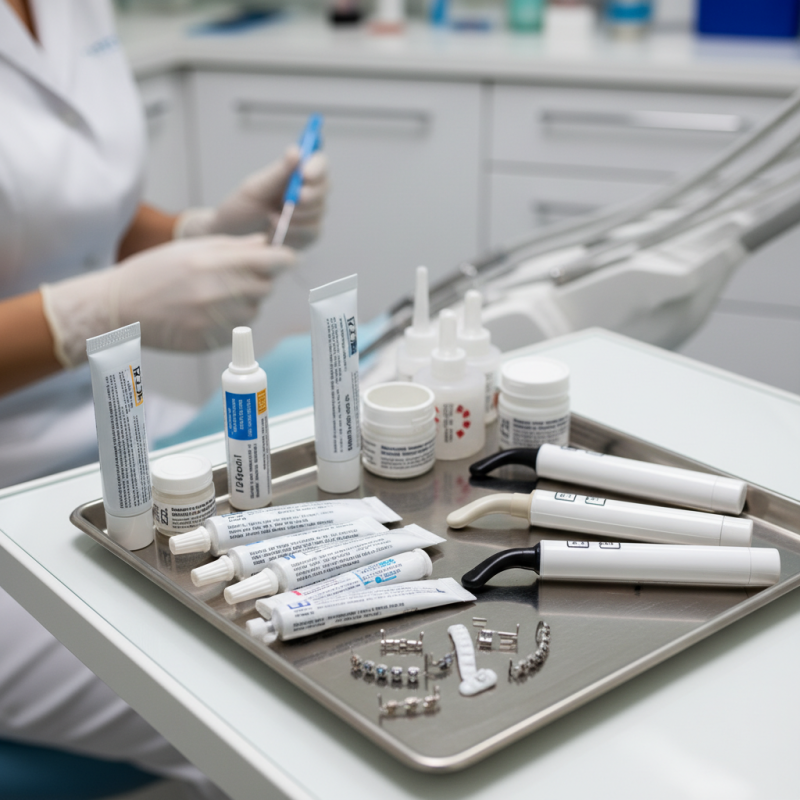
When considering orthodontic adhesive systems, several essential characteristics come into play. A reliable adhesive should demonstrate strong bonding capabilities. According to a study published in the American Journal of Orthodontics and Dentofacial Orthopedics, effective adhesives can achieve bond strength values exceeding 10 MPa. This strength ensures that brackets stay firmly attached to the teeth during treatment, reducing the risk of debonding.
Another important factor is the time taken for the adhesive to set. Fast-setting adhesives can significantly enhance the efficiency of orthodontic procedures. Some adhesives can set in less than a minute, allowing orthodontists to save valuable chair time. However, it is crucial to balance setting time with adequate working time. A system that sets too quickly may lead to improper placement of brackets, creating potential complications in treatment.
The ease of removal is also vital. Adhesives should allow for easy debonding at the end of treatment. A poorly designed adhesive may leave residual material on tooth surfaces, complicating cleanup. Reports indicate that about 20% of patients experience issues with residual bonding agents. This highlights the need for continuous evaluation of adhesive systems, ensuring they not only bond effectively but also facilitate a smooth transition to the next stage of treatment.
Comparative Analysis of Various Adhesive Systems Used in Orthodontics
In the field of orthodontics, the choice of adhesive systems plays a crucial role in the success of treatment. A comparative analysis reveals that there are various types of adhesives, each with unique properties. For instance, light-cured adhesives offer efficient bonding and quick setting times. Reports indicate that over 80% of orthodontists prefer these systems for their reliable performance.
However, there are challenges with some adhesive systems. Some patients experience debonding issues, particularly with self-etch adhesives. A study found that nearly 12% of cases reported early failures due to insufficient bond strength. This raises concerns about long-term effectiveness. Furthermore, factors like tooth enamel type and saliva contamination can affect adhesion quality.
Another point of reflection lies in the application technique. Proper surface preparation is essential, yet it is often overlooked. Inadequate cleaning or improper curing can lead to complications. Research highlights that up to 20% of orthodontists fail to follow optimal bonding procedures, ultimately impacting treatment success. These insights emphasize the need for continuous education and improvement in adhesive system usage.
The Role of Bond Strength in the Selection of Adhesive for Braces
The bond strength of orthodontic adhesives plays a pivotal role in treatment success. A strong bond ensures that brackets remain affixed during treatment, which aids in efficient tooth movement. Studies indicate that bond strengths around 6–8 MPa are ideal for maintaining bracket integrity. However, achieving this is not always straightforward. Many factors influence bond strength, such as the type of enamel surface treatment and the adhesive's chemical composition.
Recent research has shown that techniques like acid etching can enhance bond strength significantly. In a controlled study, brackets bonded with acid-etched enamel exhibited up to 20% higher bond strength compared to those without such treatment. Yet, there are concerns. Over-etching can lead to weakened enamel, which may result in adverse effects like enamel loss or sensitivity. Moreover, the choice of adhesive also impacts patient comfort and potential debonding incidents.
Adaptability is essential in selecting an adhesive system. Not all patients will respond the same way to a given adhesive. Variability in saliva composition and oral hygiene practices can affect bond durability. Additionally, frequent monitoring during the treatment can help identify any failures early. While striving for the best bond strength, it’s important to find a balance between effectiveness and safety for each individual patient.
Evaluating the Impact of Adhesive Type on Treatment Duration and Outcomes
When it comes to orthodontic treatment, the adhesive system used plays a vital role in both duration and outcomes. Different types of adhesives bond brackets to teeth in various ways. Some create a stronger bond, while others allow for easier removal after treatment. This choice directly affects how long braces remain on and how effective they are in achieving desired results.
Research indicates that light-cured adhesives generally provide a solid bond, which can reduce brackets debonding during treatment. However, they may also complicate removal later. Conversely, self-etching adhesives can streamline the process but might not deliver the same bond strength. Some practitioners find that the speed of adhesive set can impact the overall appointment times. Yet, a strong bond doesn't always equate to faster results. Each case is unique, requiring careful consideration.
The choice of adhesive is crucial but often underappreciated. Clinicians might overlook how variations in adhesive properties can affect treatment plans. A powerful adhesive could save time, yet caution is needed. If removal proves difficult, it can prolong patient discomfort. Ultimately, understanding the nuances of adhesive types helps orthodontists tailor their techniques for better outcomes.
Latest Trends in Orthodontic Adhesive Technology and Innovations
Orthodontic adhesive technology has evolved significantly in recent years. Innovations are reshaping how braces are applied and maintained. New adhesive systems provide greater bond strength, which is crucial for effective treatment. These advances help brackets stay in place better, reducing the need for frequent adjustments.
One notable trend is the development of light-cured adhesives. These adhesives cure rapidly when exposed to specific wavelengths of light. This feature minimizes chair time for patients and boosts workflow in orthodontic practices. However, some practitioners find the curing process challenging. Proper technique is essential, which can lead to inconsistent results.
Another innovation is the use of bioactive materials. These materials interact with the tooth surface to promote remineralization. While promising, they can be more complex to apply. Improper application may hinder their effectiveness. Thus, ongoing education and practice are crucial for orthodontists. Balancing innovation and technique is important for optimal patient outcomes.
Comparison of Orthodontic Adhesive Systems