How to Choose the Best Oximeter for Accurate Readings?
Choosing the right oximeter is crucial for obtaining accurate readings. According to a recent report by the American Thoracic Society, pulse oximeters can significantly aid in monitoring respiratory conditions. However, not all devices provide reliable results. The growing market sees a 25% increase in demand for home monitoring devices, including oximeters.
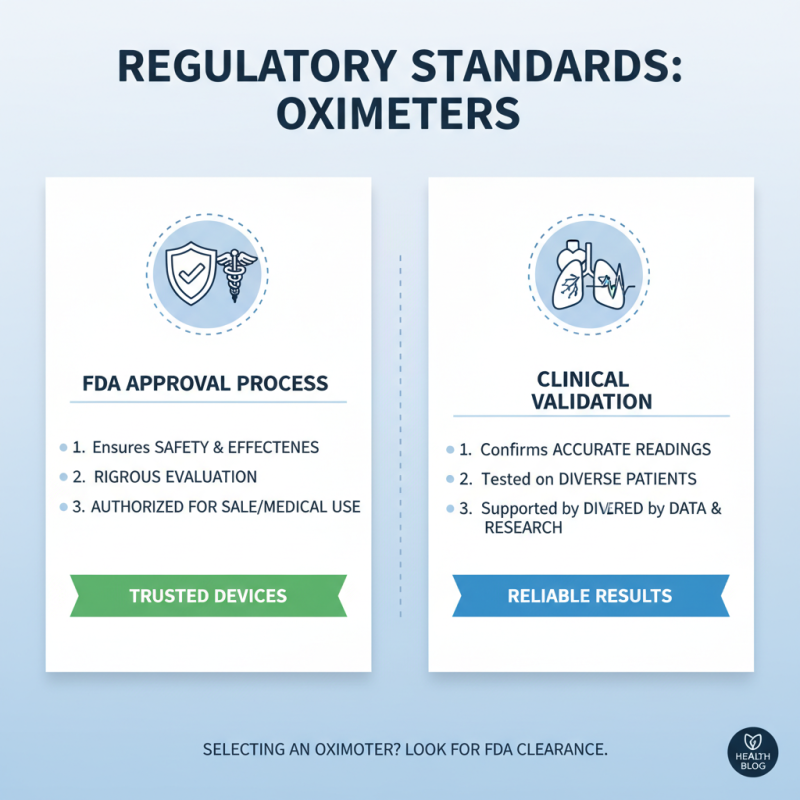
When selecting an oximeter, it is essential to consider accuracy and user-friendliness. The FDA has noted that variability in devices exists, particularly among consumer-grade models. This inconsistency may lead to misinterpretation of oxygen levels. For instance, one study highlighted that 30% of over-the-counter oximeters failed to meet medical standards.
In an age where telehealth is on the rise, having reliable equipment at home is vital. While many patients trust their oximeters, some devices may yield false positives or negatives. Continuous education about these tools is necessary. Understanding the nuances of oximeter reliability can empower users to make informed choices. Investing in a quality oximeter ensures better health monitoring, enhancing overall wellbeing.
Factors to Consider When Selecting an Oximeter for Home Use
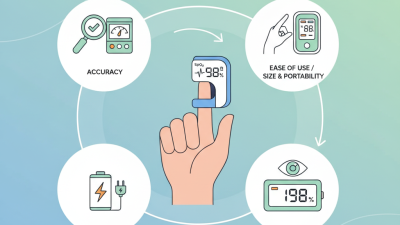
When choosing an oximeter for home use, several factors matter greatly. The accuracy of readings is paramount; studies reveal that up to 30% of consumer models can deliver erroneous results. Sensors that are designed for specific skin types tend to yield better accuracy. Look for devices with calibration features or those that show signal quality indicators. This enhances reliability, especially for individuals with darker skin tones, as research indicates disparities in accuracy across different demographics.
Ease of use is another critical consideration. A user-friendly interface increases compliance, ensuring that individuals take regular readings. Many oximeters now offer Bluetooth connectivity, allowing users to track readings on a smartphone app. This modern feature can transform data collection into a more engaging experience. Since many users may overlook manual logs, digital records are beneficial.
Battery life also warrants attention. Devices that require frequent charging may discourage regular monitoring. A report from healthcare experts notes that oximeters with longer battery lives encourage better adherence to health routines. However, it's essential to remember that no device is perfect. Regular calibration against more advanced medical devices is advisable to ensure continued accuracy over time. Select thoughtfully, and always consult healthcare professionals when in doubt.
Types of Oximeters: Pulse Oximeters vs. Handheld Models
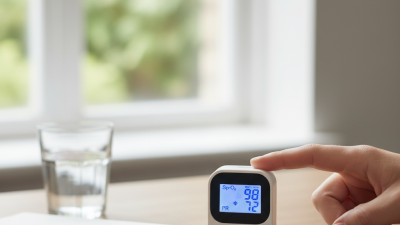
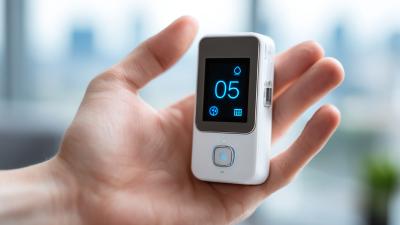
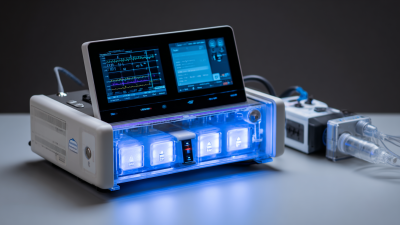
When selecting an oximeter, understanding the different types is crucial. Pulse oximeters are popular for personal use. They are small and portable, easily fitting on a fingertip. These devices offer quick readings, usually within seconds. They are user-friendly and often used at home. Handheld models, on the other hand, are more versatile. They can measure blood oxygen levels with greater accuracy. These devices are commonly used in medical settings.
Here are a few tips for choosing the right oximeter. Look for a device with a clear display and simple controls. Accurate calibration is essential for reliable readings. Consider your specific needs: do you require a portable device or one for professional use? Battery life may be a deciding factor, especially for handheld models.
It's important to note that not all oximeters are created equal. Some may struggle with darker skin tones. Others may not perform well in bright environments. Researching individual features and reviews can help you find a model that meets your requirements. Be mindful of these aspects to ensure that you make an informed choice.
How to Choose the Best Oximeter for Accurate Readings?
| Oximeter Type |
Description |
Accuracy |
Portability |
Price Range |
| Pulse Oximeter |
A compact device that attaches to a finger to measure oxygen saturation. |
95% - 100% |
Highly portable |
$20 - $50 |
| Handheld Oximeter |
A larger device that can provide additional parameters like pulse rate and perfusion index. |
92% - 100% |
Moderately portable |
$100 - $300 |
| Wrist Oximeter |
A device worn on the wrist, useful for continuous monitoring. |
90% - 98% |
Highly portable |
$30 - $70 |
| Hand-held Portable Finger Oximeter |
Allows for testing in various settings, suitable for both clinical and home use. |
95% - 99% |
Moderately portable |
$50 - $150 |
Understanding Accuracy Metrics: The Importance of Sensitivity and Specificity
When choosing an oximeter, understanding accuracy metrics is crucial. Two key metrics are sensitivity and specificity. Sensitivity indicates how well the device can correctly identify low blood oxygen levels. Specificity, on the other hand, measures the ability to identify normal oxygen levels without false alarms. Knowing these metrics can enhance your decision-making process.
High sensitivity in an oximeter ensures that it detects most cases of hypoxia. A device with low sensitivity might miss critical situations. Conversely, high specificity is essential to avoid unnecessary anxiety from false positives. You want an oximeter that minimizes both missed detections and erroneous alerts.
Not all oximeters perform the same under different conditions. Factors like skin tone and movement can affect readings. Some devices may work well in lab settings but struggle in real-life scenarios. Evaluating these aspects can help you choose wisely. It's important to review user experiences and clinical data to gauge a device's reliability in everyday situations.
Key Features: Display Quality, Battery Life, and User-Friendliness
When choosing an oximeter, display quality is essential. A bright, clear screen helps you read results easily. Look for devices with large fonts. Some users struggle with small displays, leading to misinterpretations. Avoid this pitfall by selecting a model that offers a good viewing angle. Backlit screens are also beneficial, especially in dim lighting.
Battery life is another crucial factor. An oximeter with long-lasting batteries reduces the need for frequent replacements. Some models boast up to 30 hours of use on a single charge. This can be particularly helpful for people who monitor their oxygen levels regularly. Keep in mind that a rechargeable device might be more convenient than one that uses disposable batteries.
User-friendliness is not just about design; it's about experience. Some oximeters offer one-touch operation, making them easier for elderly users. Still, some devices have complex menus that may confuse first-time users. Always consider who will use the oximeter. If it’s for a loved one, make sure they can operate it without stress.
*Tip: Test the oximeter in a real-world setting. This will help ensure you can use it effortlessly.*
*Tip: Ask for input from current users. Their experience can highlight features or difficulties you might overlook.*
*Tip: Read reviews to gauge reliability. User feedback often uncovers hidden advantages or issues.*