How to Choose the Best Oximeter for Your Health Needs?
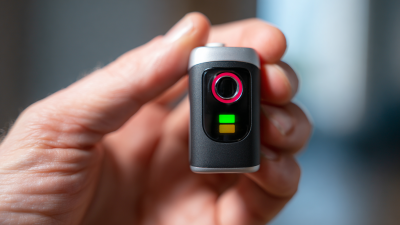
Choosing the right oximeter for your health needs can be challenging. Dr. Emily Carter, a leading expert in respiratory health, emphasizes, “Not all oximeters are created equal.” Understanding what features matter most is essential.
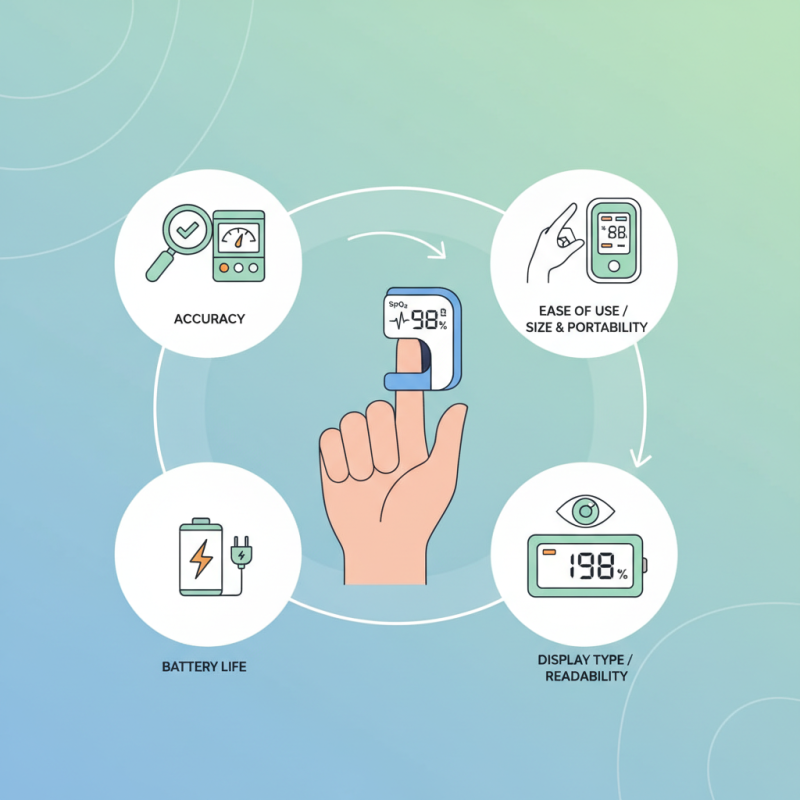
An oximeter helps monitor blood oxygen levels. For people with respiratory conditions, this device is vital. Yet, many consumers don’t know how to pick the best one. It’s easy to overlook factors like accuracy and ease of use. Some models are bulky while others are compact.
When selecting an oximeter, you should consider the display type and battery life. Some people find it difficult to read small screens. This can lead to misinterpretation of results. Reflecting on your personal needs will guide you toward the right choice.
Understanding Oximeters: Definition and Purpose in Health Monitoring
Oximeters are small devices that measure the oxygen saturation in your blood. They are essential for monitoring health, especially for individuals with respiratory conditions. In the healthcare industry, studies show that accurate oxygen saturation levels can prevent complications. The World Health Organization indicates that hypoxia can lead to serious outcomes, emphasizing the need for reliable monitoring.
Understanding oximeters is crucial to make informed choices. There are various types available, from finger clip models to those used in hospital settings. Not all devices offer the same accuracy. Research indicates that hospital-grade oximeters can have a 98% accuracy rate, while some consumer models may fall short. This discrepancy highlights the importance of choosing wisely based on your specific health needs.
It’s essential to consider essential features of oximeters. They should be easy to use and provide clear readings. Some models are designed for specific conditions, like COPD or sleep apnea. However, not all users find these devices comfortable. Misleading results can occur if not used properly. Always read instructions carefully to avoid errors in measurements. It’s easy to overlook these details, but they can significantly impact health monitoring effectiveness.
Oximeter Data Analysis: Understanding SpO2 Levels
This bar chart illustrates the average SpO2 levels of various demographic groups and their respective health conditions. Understanding these levels is crucial for selecting the right oximeter for monitoring health needs.
Key Features to Consider When Selecting an Oximeter
Choosing an oximeter involves key features that could affect your health monitoring. Accuracy is critical. According to a 2022 study, devices with an accuracy rating of 95% or higher are preferred. Many models claim high accuracy, but independent testing reveals variability. Checking for certifications from reputable organizations helps ensure reliability.
Another important feature is display readability. A device should have a clear, bright display. The font size matters. Users often prefer larger numbers, especially the elderly. A report from healthcare professionals indicates that a user-friendly interface increases compliance. Ease of use can impact daily health monitoring.
Battery life is often overlooked. A reliable oximeter should not require frequent recharging. Some studies show that devices with a longer battery life are used more consistently. Portability is equally important. A compact design encourages regular usage. Remember, an oximeter is only as good as your commitment to use it regularly.
How to Choose the Best Oximeter for Your Health Needs? - Key Features to Consider When Selecting an Oximeter
| Feature | Description | Importance |
|---|---|---|
| Accuracy | Measures the percentage of oxygen in the blood with precision. | Critical for accurate health assessment. |
| Display | Type and clarity of the screen display. | Essential for readability, especially in different lighting. |
| Portability | Size and weight for ease of transport. | Important for home use and travel. |
| Battery Life | Duration for which the oximeter can function on a single charge. | Affects usability in emergency situations. |
| Ease of Use | Simplicity of operation and interpretation of results. | Crucial for users of all ages, especially seniors. |
| Price | Cost of the device compared to features offered. | Ensures the device fits the budget while meeting needs. |
Accuracy and Precision: Importance of Calibration and Validation Standards
Choosing an oximeter requires careful consideration of its accuracy and precision. Calibration plays a key role in ensuring reliable readings. An oximeter should meet established validation standards for consistent performance. This is critical for monitoring your health effectively.
Tips: Regularly check if the device has been calibrated correctly. Use it in a stable environment. Avoid using it on cold fingers, as low blood flow can skew results.
Precision is also affected by user technique. Ensure proper finger placement. The sensor should fit snugly but not too tight. Movement during the measurement can lead to errors.
Tips: Wait for a few moments before taking a reading. Be patient and let the device stabilize. Review the instructions for any specific requirements related to your unit.
Types of Oximeters: Finger, Handheld, and Wearable Devices Explained
When selecting an oximeter, understanding the various types can aid in making an informed decision.
Finger oximeters are popular for home use. They are small and easy to operate. Just clip it to your fingertip, and the readings appear in seconds. This type is ideal for those who want quick, convenient results.
Handheld oximeters, on the other hand, are larger. They often provide more detailed information. These devices are suitable for medical professionals or individuals with specific health needs. They may come with additional features, such as data storage, which can be beneficial.
Wearable devices, like smartwatches, now include oximeter functions. They provide continuous monitoring. This can be particularly useful for athletes or people with respiratory issues. However, accuracy may vary, and users should be cautious.
Tips: Always check the battery life and calibration of your oximeter. Ensure you’re using it correctly. Remember, a good oximeter should fit comfortably on your finger. It shouldn't interfere with blood flow. Finally, consider your lifestyle; choose a model that meets your daily needs.
Interpreting SpO2 Readings: Normal Ranges and Implications for Health
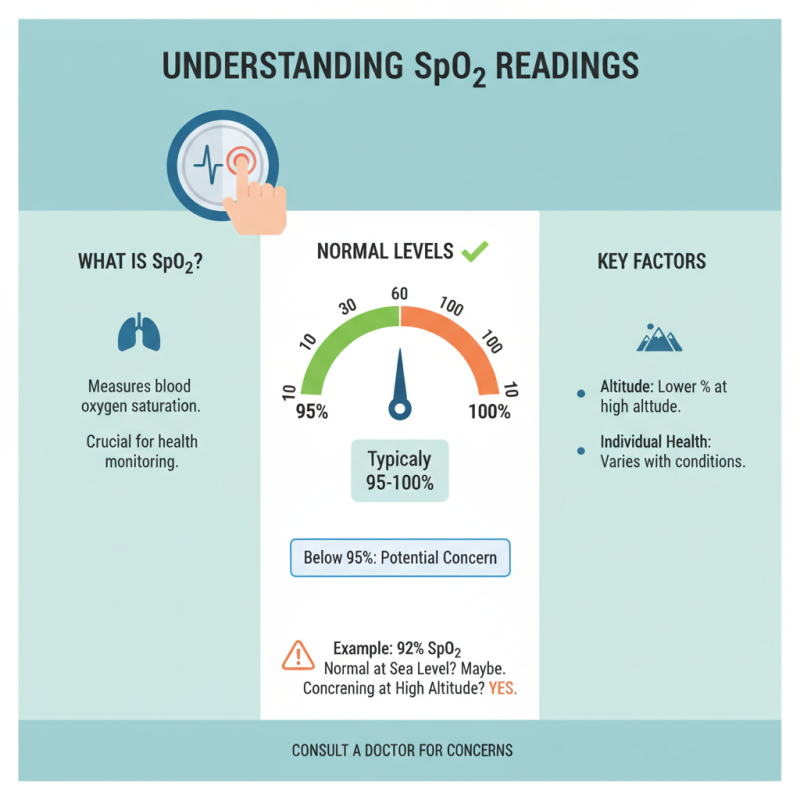
When monitoring your health, understanding SpO2 readings is crucial. Normal SpO2 levels typically range from 95% to 100%. Levels below this can indicate issues such as respiratory problems or insufficient oxygen supply. It’s important to know that variations can occur based on factors like altitude or individual health conditions. A reading of 92% may not cause alarm at sea level, but in other contexts, it could be concerning.
Interpreting these numbers leads to reflection. What do they truly mean for your health? If your levels hover around the low end or fluctuate, it’s worth consulting a healthcare professional. Lifestyle choices, such as smoking or poor fitness, may play a significant role. Regular monitoring can help track changes and prompt necessary adjustments. Understanding these readings is more than just numbers; it's a window into your overall well-being. Each reading invites active engagement with your health, prompting you to seek adjustments or support when needed.
Related Posts
-
Why You Should Monitor Your Health with an Oxygen Pulse Oximeter
-
Explore Innovative Options Beyond the Best Pulse Oximeter for Your Health Needs
-

Global Innovations in Pulse Ox Machines: What to Expect by 2025
-
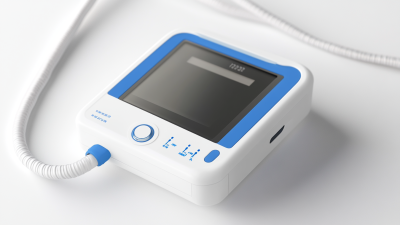
Discover the High Efficiency of Oxygen Pulse Oximeters from China's Leading Manufacturing Plant
-
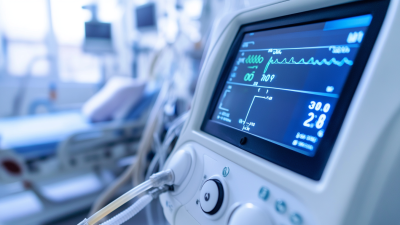
Ultimate Checklist for Choosing the Best Oxygen Pulse Oximeter for Your Needs
-
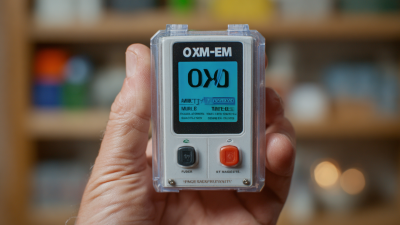
Unlocking Quality: How to Find the Best Oximeter Suppliers and Strategies for Success