How Much Does an ECG Machine Cost in 2026?
How Much Does an ECG Machine Cost in 2026? The answer depends on technology, clinical purpose, and ownership costs.
Recent industry reports show a growing ECG devices market. Grand View Research estimates steady expansion through 2030, supported by cardiovascular disease screening, outpatient care, and portable monitoring. Fortune Business Insights also forecasts continued growth, although its market values differ. That difference matters. Market reports use different product categories, regions, and revenue assumptions.
In practical terms, a basic portable ECG machine may cost about $500 to $2,000 in 2026. A standard 12-lead diagnostic system commonly ranges from $1,500 to $6,000. Advanced devices can exceed $10,000, especially with touchscreen workflows, barcode tools, cloud integration, and interpretation software. These figures are estimates, not guarantees.
Dr. Eric Topol, a cardiologist and digital-health researcher, has described the ECG as “the most important test in medicine.” His observation helps explain the buying decision. An ECG machine is not merely a box with cables. It supports rapid clinical decisions, recordkeeping, and patient confidence.
However, the purchase price can hide important expenses. Consider electrodes, paper, batteries, software subscriptions, calibration, staff training, and technical support. A low-cost machine may become expensive after repeated consumable purchases. That is an uncomfortable detail.
This guide examines real ECG Machine Cost factors for clinics, hospitals, mobile providers, and home-care teams. It compares equipment classes, maintenance needs, and long-term value. Prices can change quickly, so buyers should verify current supplier quotations before committing.
What Is an ECG Machine and What Determines Its Price?
How Much Does an ECG Machine Cost in 2026?
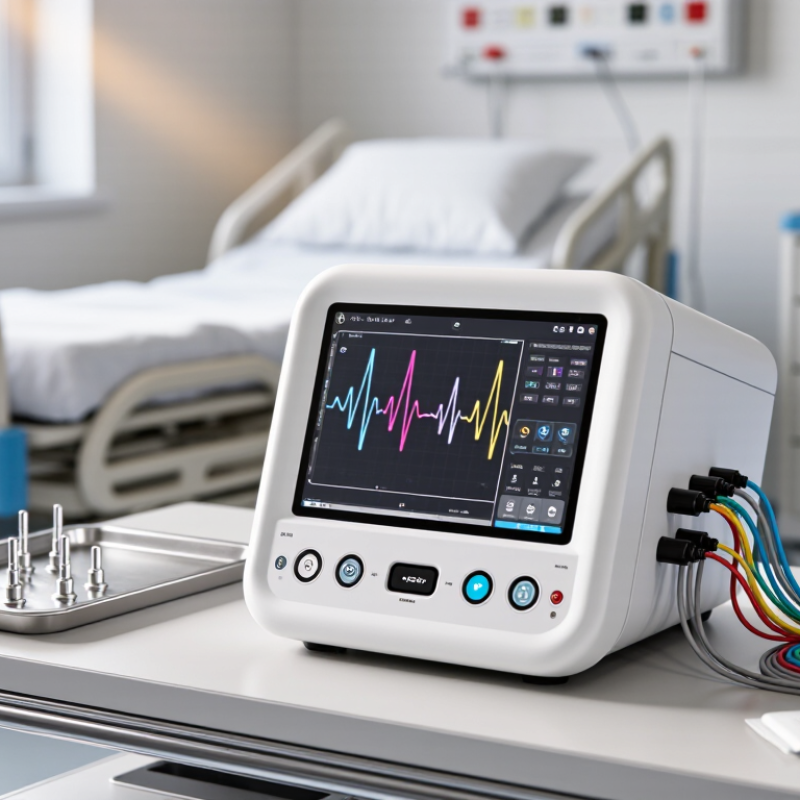
An ECG machine records the heart’s electrical activity through adhesive electrodes placed on the skin. It displays waveforms that help trained clinicians assess rhythm, rate, and conduction patterns. In 2026, a basic portable unit may cost about $1,000 to $3,000. A professional 12-lead system often ranges from $3,000 to $10,000. Advanced systems can exceed $10,000.
Price depends on more than the number shown on the invoice. Lead capacity matters, because a 12-lead machine supports broader diagnostic evaluation than a simple single-lead recorder. Screen size, battery life, thermal printing, data storage, and wireless transfer also affect the cost. Some facilities need integration with electronic medical records. That feature can add setup and software expenses.
Accessories quietly increase the budget. Electrodes, cables, paper, batteries, carts, and cleaning supplies require regular replacement. Service contracts, staff training, calibration, and warranty length also deserve attention. A cheaper machine may become expensive if repairs take weeks or data cannot transfer securely. That mistake is common.
A careful buyer should compare the total cost of ownership, not only the purchase price. Ask for maintenance terms and confirm clinical compatibility. Local approval requirements may also influence availability and pricing. These ranges are practical estimates, not fixed quotations. Prices can change with configuration, region, taxes, and installation needs.
ECG Machine Price Ranges by Type and Intended Use
How Much Does an ECG Machine Cost in 2026?
ECG machine prices in 2026 depend heavily on the intended use. A handheld single-lead device usually costs about $300–$1,500. It suits basic rhythm checks, remote monitoring, and small clinical teams.
Portable three- or six-lead systems commonly range from $1,000–$4,000. They offer more evidence during routine assessments.
A standard 12-lead resting ECG machine generally costs $2,000–$8,000. Hospital-grade systems with touchscreen operation, data transfer, and automated interpretation may reach $5,000–$15,000. Stress-test systems can exceed $10,000, especially when they include exercise equipment and specialized software.
These figures exclude electrodes, paper, calibration, training, and service contracts. Those extras are easy to underestimate.
Market research from Grand View Research and Fortune Business Insights shows continued growth in the global ECG devices sector through the decade. However, their reports mainly track market value, not exact equipment prices. That limitation matters.
Public procurement records and distributor quotations often provide more practical benchmarks, but regional taxes and clinical requirements can change the final cost. The U.S. FDA also emphasizes performance, labeling, and intended use when evaluating medical devices.
A cheaper unit may therefore create higher ownership costs if it lacks integration or dependable technical support. In practice, buyers should compare five-year expenses, not only the invoice. Sometimes, the smallest price is not the smallest budget.
Additional Expenses Beyond the Initial Purchase
Additional Expenses Beyond the Initial Purchase
Buying an ECG machine is only the starting point. The invoice may exclude electrodes, conductive gel, recording paper, patient cables, and replacement leads. A busy clinic can use hundreds of electrodes each month. Small items become significant expenses.
Installation may require electrical checks, network setup, and staff training. Some facilities also purchase a trolley, protective cover, or an uninterruptible power supply. These additions improve workflow, but they can enlarge the budget quickly. They are not optional in every setting. A poorly trained operator may create unclear tracings, causing repeat tests and wasted supplies.
Ongoing maintenance deserves careful attention. Annual calibration, software updates, technical inspections, and service visits can affect the real ownership cost. Data storage may require secure local equipment or a compliant cloud service. Reliable internet access also adds a recurring charge. Downtime can be expensive when patients must be rescheduled.
My early purchasing estimates often focused too heavily on the device itself. That was a mistake. A lower purchase price may hide costly accessories or limited support. Ask for a written five-year estimate, including consumables, repairs, training, shipping, and disposal. Leave room for unexpected cable damage. Clinics are busy, and equipment rarely stays untouched.
How to Choose an ECG Machine Within Your Budget
How Much Does an ECG Machine Cost in 2026?
A practical budget starts with workflow, not a shopping list. In 2026, a basic 3-channel ECG machine often costs about USD 800–2,000. A 12-channel diagnostic unit may cost USD 2,000–6,000. Advanced systems can exceed USD 10,000 after software, carts, and integration. These ranges reflect recent public procurement listings and market estimates from Grand View Research’s ECG devices report. Prices still vary sharply by country, taxes, certification, and service coverage.
Choose the smallest system that matches your patient volume. A small clinic may need a portable 12-lead device, clear reports, local storage, and USB export. A hospital may require network integration, barcode support, and stronger battery performance. Check the full ownership cost. It includes electrodes, paper, calibration, training, repairs, and software fees. The WHO’s medical-device procurement guidance recommends evaluating maintenance and lifecycle costs, not only purchase price. That advice is easy to ignore.
Ask for a written five-year estimate. Request uptime targets and replacement-part availability. Test the screen in a bright examination room. Small details matter. A low-cost unit can become expensive when technical support is distant. I would also question unusually cheap quotations. They may exclude cables, installation, or regulatory documentation. That uncertainty deserves a careful review before approval.
How Much Does an ECG Machine Cost in 2026? - How to Choose an ECG Machine Within Your Budget
| ECG Machine Category |
Typical 2026 Purchase Price (USD) |
Leads / Recording Capability |
Best Fit |
Main Features |
Estimated Total First-Year Budget (USD) |
| Basic Resting ECG Recorder |
$300–$800 |
3 or 6 leads; short resting recordings |
Small clinics, nursing facilities, first-aid rooms |
Portable design, basic display, paper or digital export |
$450–$1,150 |
| Standard Diagnostic ECG Machine |
$800–$2,500 |
12-lead simultaneous acquisition |
Primary-care practices and outpatient departments |
Automatic measurements, interpretation support, thermal printer, USB or network export |
$1,050–$3,050 |
| Advanced 12-Lead Cart ECG System |
$2,500–$6,000 |
12 leads; diagnostic-grade resting ECG |
Hospitals, cardiology departments, high-volume clinics |
Large screen, barcode or patient-data workflow, connectivity, advanced reporting |
$3,000–$7,000 |
| Wireless or Smartphone-Connected ECG |
$100–$1,200 |
1–12 leads, depending on the device |
Telehealth, screening, home monitoring, mobile care |
Bluetooth or Wi-Fi transfer, mobile application, compact size, rechargeable battery |
$180–$1,500 |
| Holter ECG Recorder |
$1,000–$4,000 |
Typically 3–12 channels; 24-hour or longer recording |
Arrhythmia evaluation and ambulatory monitoring services |
Long-duration recording, event markers, analysis software, data review |
$1,300–$4,800 |
| Stress-Test ECG System |
$4,000–$12,000 |
12-lead continuous acquisition during exercise |
Cardiology practices and hospitals performing exercise testing |
Exercise protocol control, real-time monitoring, trend reports, treadmill or ergometer integration |
$5,000–$15,000 |
| Specialized or High-End ECG Platform |
$12,000–$30,000+ |
Multi-function or high-throughput diagnostic workflows |
Large hospitals, research centers, and specialist laboratories |
Advanced integration, dedicated software, service agreements, customized workflow |
$14,000–$35,000+ |
Budgeting Notes:
The purchase-price ranges are practical 2026 planning estimates for new equipment and can vary by country, regulatory requirements, configuration, software, shipping, taxes, and service terms. The first-year budget may also include electrodes, patient cables, thermal paper, batteries, installation, staff training, calibration, and preventive maintenance.
How to Choose Within Your Budget:
Choose a basic or connected ECG for occasional screening, a standard 12-lead system for routine clinical diagnosis, a Holter recorder for extended monitoring, and a stress-test system only when exercise ECG testing is part of your service. Confirm regulatory clearance, lead configuration, data-export compatibility, warranty coverage, and local technical support before purchase.