
China Top Hypoallergenic Diaper Suppliers?
Choosing China’s top hypoallergenic diaper suppliers takes more than comparing prices or attractive packaging. Parents and buyers need to examine the materials that touch a baby’s skin, the supplier’s quality controls, and the evidence behind product claims. A soft waistband, a smooth inner sheet, and fragrance-free materials may look reassuring. They still do not guarantee that every baby will tolerate the diaper.
Dermatologist Dr. Donald Belsito is a recognized specialist in contact dermatitis. A useful caution comes from the U.S. Food and Drug Administration: “There are no Federal standards or definitions that govern the use of the term hypoallergenic.” The wording matters. It means buyers should assess ingredient disclosures and product documentation, rather than treating a label as proof of safety. Skin can be particular.
This guide looks at Chinese suppliers through practical questions: What materials do they use? Can they provide consistent specifications and credible quality records? How clearly do they explain testing, production capacity, and customization? Samples deserve close inspection, including seams, absorbency, odor, and fit after use. A polished brochure is not enough. Supplier claims also need independent checking, and available evidence may be incomplete. That part is easy to overlook. No diaper suits every child, and “hypoallergenic” does not mean irritation is impossible. By comparing suppliers carefully, buyers can make better-informed decisions about Hypoallergenic Diapers and avoid relying on a single marketing phrase.
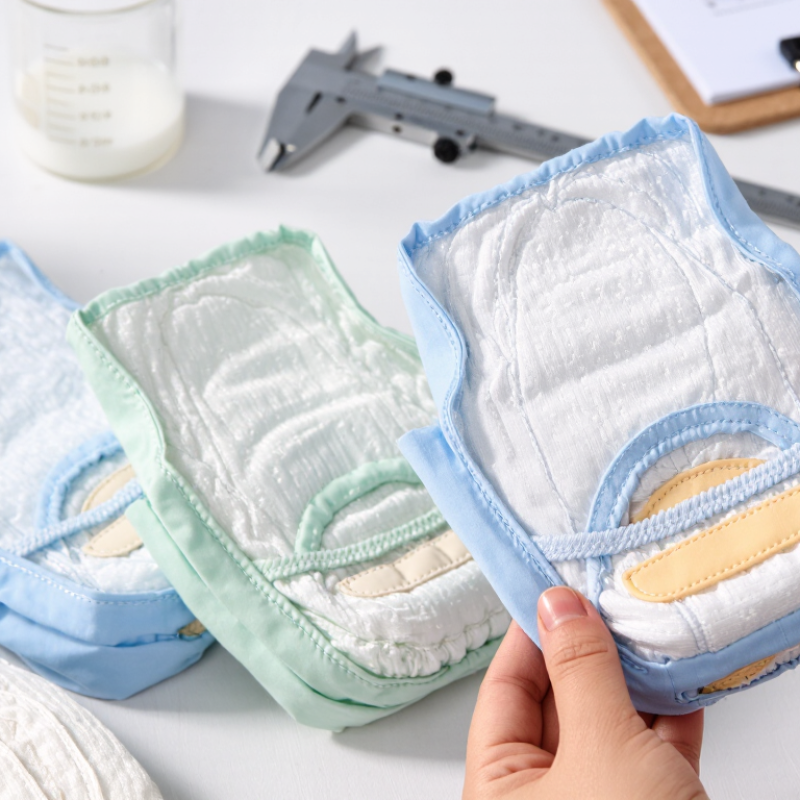
China’s Hypoallergenic Diaper Supplier Landscape: OEMs, Brands, and Export Hubs
China’s hypoallergenic diaper supply base includes OEM factories, private-label producers, and export-focused trading teams. OEMs can adjust absorbent cores, topsheets, fastening tabs, and packaging to a buyer’s specification. Some also support smaller trial orders, though minimums vary by product and production schedule. Details matter.
For sensitive-skin positioning, ask suppliers for ingredient declarations and recent test reports for the finished diaper, not only individual materials. Check fragrance, lotion, adhesive, and elastic specifications. Request samples from the production line, then inspect seams, odor, fit, and absorbency after repeated use. “Hypoallergenic” is not a universal guarantee, and claims should match the available evidence. A neat spreadsheet can still hide weak traceability.
Export activity is concentrated around coastal manufacturing corridors, where factories can access packaging suppliers, ports, and freight services. Compare the factory’s export record with the trading company’s role, and clarify who controls quality checks and batch records. Ask for production photos, carton dimensions, lead times, and a written process for handling defects. One limitation is easy to miss: sample quality may not reflect every later batch. Keep approved samples and specifications on file, and review changes before reordering.
GB/T 28004.1-2021: Baby-Diaper pH Requirements of 4.0–8.0
China Top Hypoallergenic Diaper Suppliers?
GB/T 28004.1-2021: Baby-Diaper pH Requirements of 4.0–8.0
For buyers comparing diaper suppliers in China, pH is a practical check, not a complete measure of skin safety. GB/T 28004.1-2021 sets a pH range of 4.0 to 8.0 for baby diapers. The result can help show whether a product meets this specific requirement. It does not, by itself, prove that a diaper is hypoallergenic or suitable for every baby.
Ask suppliers for test reports tied to the finished diaper, not just a raw material sample. Check the product description, batch details, test date, and testing method. A report should be clear enough to verify. That matters. Skin contact also depends on factors such as fit, moisture, and how long a diaper is worn. A passing pH result cannot cover every possible source of irritation.
I would not rely on one successful report as the whole story. Request results from more than one production batch, and ask how the supplier controls changes in materials or manufacturing. Even then, paperwork has limits. For sensitive skin, careful observation after use remains important, and persistent irritation deserves professional medical advice.
China Top Hypoallergenic Diaper Suppliers? — GB/T 28004.1-2021: Baby-Diaper pH Requirements of 4.0–8.0
GB/T 28004.1-2021 specifies a pH range of 4.0 to 8.0 for baby diapers. The chart shows the permitted interval, not test results for any supplier or product.
Diaper Materials and Design: SAP Cores, Breathable Backsheets, and Fragrance-Free Topsheets
A hypoallergenic diaper is shaped by the materials touching the skin and the way each layer handles moisture. The SAP core absorbs liquid and helps keep the surface drier, but it does not make a diaper hypoallergenic by itself. Core placement also matters: uneven distribution can create bulky spots or leave areas less protected. Small details matter.
A breathable backsheet can allow water vapor to escape while helping contain liquid. Suppliers should be able to explain how they check breathability, leakage, and material consistency across production batches. The topsheet rests against delicate skin, so a soft, fragrance-free nonwoven is often preferred. Fragrance-free does not mean irritation-free for everyone; individual sensitivities vary. Look for clear material specifications and skin-contact assessment records, not just a “gentle” claim. A practical review should also consider fit, since tight leg cuffs may cause rubbing even when the materials are carefully selected.
There is no perfect construction for every baby, and that uncertainty deserves attention.
Verifying Skin-Safety Claims Through Irritation Testing and Ingredient Disclosure
China Top Hypoallergenic Diaper Suppliers?
Verifying Skin-Safety Claims Through Irritation Testing and Ingredient Disclosure
“Hypoallergenic” is a claim to investigate, not proof that a diaper suits every baby. Ask suppliers for irritation-test reports tied to the actual finished product, not just one raw material. Check the test date, sample details, method, and whether the tested formulation matches current production. Labels alone prove little. A controlled irritation study can help assess skin response, but it cannot predict every child’s allergies or reactions. That limitation deserves plain language, not fine print.
Request an ingredient breakdown covering the topsheet, absorbent core, adhesives, inks, elastics, and any lotions or fragrances. A clear disclosure helps buyers spot materials worth reviewing with a qualified clinician, especially when a child has a known sensitivity. Ask how suppliers document formulation changes and check incoming materials; a report from last year may not describe today’s batch. Real skin varies. For a practical check, use a small number of diapers, note wear time, and record any visible redness or discomfort. This is not a substitute for clinical advice, and irritation can have several causes. Some supplier records may be incomplete; treat gaps as questions to resolve, not as evidence of safety.
China Top Hypoallergenic Diaper Suppliers? - Verifying Skin-Safety Claims Through Irritation Testing and Ingredient Disclosure
| Evaluation Dimension | Evidence to Request | How to Verify | Relevant Reference | Assessment Record |
|---|---|---|---|---|
| Finished-product irritation testing | Full laboratory report identifying the tested finished diaper, test method, sample preparation, results, and laboratory. | Confirm that the report covers the current product construction and a representative production sample. Check that the conclusion and any limitations are stated. | ISO 10993-23:2021 describes irritation tests for medical-device biological evaluation; confirm with the laboratory that the method is suitable for the product and intended use. | Report number, date, sample, and conclusion: __________________ |
| Skin-sensitization evidence | Test report or documented rationale covering sensitization risks for relevant materials and finished-product components. | Check the test method, tested materials, laboratory qualifications, and whether the report applies to the offered diaper. Do not treat an irritation result as proof of no sensitization risk. | ISO 10993-10:2021 addresses tests for skin sensitization in medical-device biological evaluation; suitability for a diaper should be assessed by a qualified laboratory. | Evidence reviewed: __________________ |
| Ingredient and material disclosure | A component-level bill of materials covering topsheet, backsheet, absorbent core, adhesives, elastics, inks, lotions, fragrances, and added treatments, where applicable. | Match the disclosure to the product specification and revision. Ask for written confirmation of fragrance, lotion, and other intentionally added substances, including “not intentionally added” statements where relevant. | Supplier specification and change-control records; no single ingredient list alone establishes that a product is hypoallergenic. | Disclosure revision and date: __________________ |
| China product-standard documentation | Product test reports and a compliance statement identifying the applicable product category and standard edition. | Check that the product type, size, construction, and sample identity in the report match the product being quoted. Verify the standard’s current status before relying on it. | GB/T 28004.1-2021, Disposable sanitary products—Part 1: Diapers. | Standard edition and report date: __________________ |
| Hygiene and microbiological controls | Applicable hygiene test reports and documented production hygiene controls. | Review the tested product, sampling date, results, and laboratory. Hygiene results address specified hygiene parameters and do not by themselves establish low irritation potential. | GB 15979-2002, Hygienic standard for disposable sanitary products; confirm applicability and current requirements for the product. | Reports and scope reviewed: __________________ |
| Change control and traceability | Written notification process for changes to raw materials, suppliers, formulations, manufacturing sites, or product specifications; batch traceability records. | Ask how changes are approved and whether testing is repeated when a change could affect skin-contact materials or product performance. | Supplier quality agreement and product-specific change-control procedure. | Procedure and traceability sample: __________________ |
| Claim wording and substantiation | The exact proposed claim and the supporting evidence for the finished product. | Check that claim wording does not exceed what the tests demonstrate. “Hypoallergenic” should not be interpreted as a guarantee that no user will experience a reaction. | Product-specific test reports and applicable advertising and consumer-protection requirements in the destination market. | Claim approved / follow-up required: __________________ |
Note: This is a supplier-verification framework, not a ranking or certification. Standards and test methods have defined scopes; a report should be reviewed for product identity, method suitability, and limitations. No test result guarantees that every user will be free from irritation or allergic reactions.
Comparing Leading Suppliers by Absorbency, Rewet, Leakage, and Quality Certifications
Comparing hypoallergenic diaper suppliers requires more than a soft-touch claim. Request laboratory reports showing liquid intake in milliliters, rewet in grams, and leakage under a stated dose, pressure, and test time. INDA/EDANA’s NWSP test-method series includes procedures for strike-through and rewet, making results more comparable when suppliers use the same method. Ask for results across repeated samples, not one “best” diaper. Small details matter: a dry-looking top sheet can still transfer moisture when pressed against skin.
Quality documents need careful reading. ISO 9001:2015 supports a quality-management system; it does not certify a diaper as hypoallergenic. Ask suppliers for current certificates, ingredient and material disclosures, and relevant skin-compatibility test reports. Check that reports identify the tested product construction and production lot. If a factory changes its topsheet or adhesive, older results may no longer describe the diaper you receive. There is no single universal absorbency or rewet score that proves a diaper is best for every child. Supplier comparisons can be imperfect, especially when test conditions differ. A clear method and complete data are better than a polished claim.
