
What is Humeral Interlocking Nail and How Does it Work?
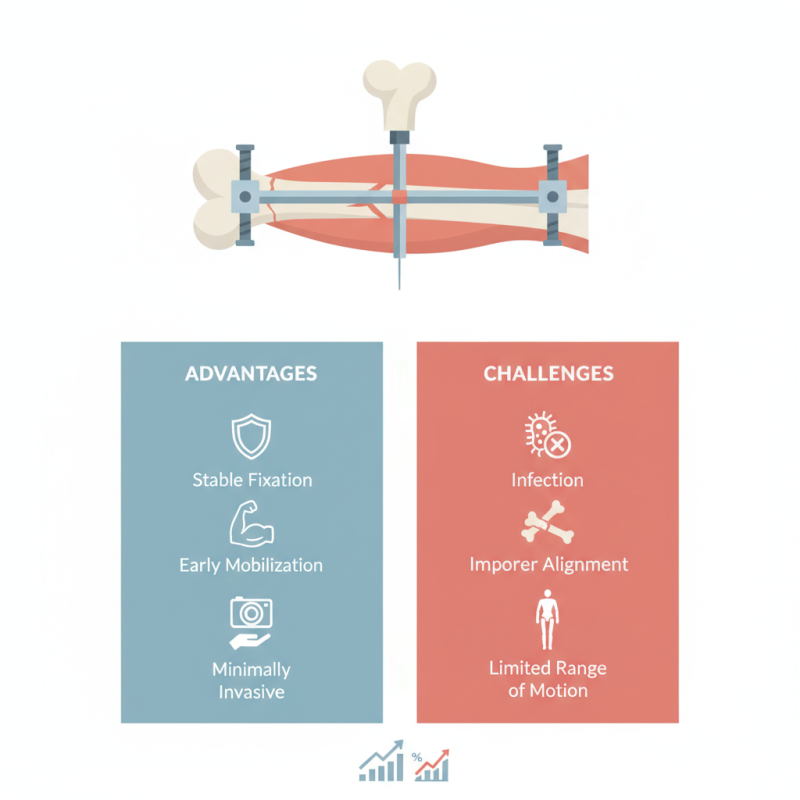
The Humeral Interlocking Nail is an advanced orthopedic implant designed for treating humeral fractures. It offers a stable fixation solution that allows for early mobilization. According to industry reports, the use of interlocking nails has grown significantly, with a 15% increase in orthopedic surgeries utilizing this technology over the past five years.
This device not only provides mechanical support but also promotes effective healing. Surgeons often prefer the Humeral Interlocking Nail due to its minimally invasive nature. However, complications can arise, such as infection or improper alignment. It's crucial to reflect on how these challenges can impact patient outcomes.
Despite its advantages, the Humeral Interlocking Nail is not without limitations. Some patients may experience discomfort or limited range of motion post-surgery. Understanding these nuances is essential for improving surgical practices. A well-informed implementation can lead to better recovery strategies and enhance patient satisfaction.
What is Humeral Interlocking Nail?
The humeral interlocking nail is a specialized device used in orthopedic surgery. It is designed to stabilize fractures in the humerus, the long bone in the upper arm. This nail is inserted into the medullary canal of the humerus. It provides strong internal support, allowing the bone to heal properly.
This surgical tool is typically made of titanium or stainless steel. Its design includes locking screws that secure the nail to the bone. This creates a stable construct that minimizes motion at the fracture site. Surgeons often prefer this method because it reduces recovery time. Patients may feel minimal discomfort post-operation.
However, there are challenges. The insertion of the nail can be difficult in some cases. If the alignment is off, it could lead to complications. Some patients experience delayed healing. It’s crucial for patients to follow post-operative instructions carefully. Regular follow-ups are necessary to monitor recovery.
What is Humeral Interlocking Nail and How Does it Work?
| Feature | Description | Benefits |
|---|---|---|
| Material | Usually made from stainless steel or titanium | Durability and resistance to corrosion |
| Indications | Used primarily for humeral fractures | Stabilizes the fracture for proper healing |
| Insertion Technique | Intramedullary nailing technique | Minimally invasive, reducing recovery time |
| Post-Operative Care | Rehabilitation exercises and follow-ups | Ensures proper recovery and strength restoration |
| Complications | Potential for infection or hardware failure | Awareness and monitoring can mitigate risks |
Indications for Using Humeral Interlocking Nail
Humeral interlocking nail is a popular option for treating certain types of humeral fractures. It's primarily indicated for complex humeral shaft fractures. These fractures often result from high-energy trauma, such as falls or vehicle accidents. Studies show that 20% of humeral fractures require surgical intervention. The interlocking nail helps stabilize these fractures, promoting proper healing.
Another indication is non-union fractures. In cases where fractures fail to heal properly, the interlocking nail serves as a stable internal fixation device. Surgeons often prefer this method for its minimally invasive approach. According to recent data, patients report faster recovery times with this technology. They regain upper arm function sooner.
Tips: When considering surgery, discuss all options with your surgeon. Ask about risks and benefits specific to your case. Maintain realistic expectations regarding recovery times. Remember, complications can happen. A patient may experience discomfort or limited mobility initially, so patience is critical during recovery.
The Surgical Procedure for Humeral Interlocking Nail Implantation
The surgical procedure for humeral interlocking nail implantation begins with patient evaluation. Doctors assess the fracture type and select appropriate nail length. Anesthesia is administered to ensure patient comfort. This preparation is crucial for a successful operation.
Once ready, the surgeon makes a small incision near the shoulder. Using imaging techniques, they guide the nail into the humerus. This step requires precision. The interlocking mechanism secures the nail within the bone. Surgeons must ensure it aligns correctly to avoid complications.
Post-operation, patients face a recovery period. Physical therapy often starts soon after surgery. It's essential for regaining motion in the arm. Some may struggle with pain or limited mobility initially. Regular follow-ups help in monitoring progress. The journey involves patience and gradual improvement.
Benefits and Risks of Humeral Interlocking Nail Fixation
Humeral interlocking nail fixation is a popular surgical method. It helps stabilize fractures in the upper arm. This technique offers several benefits, but it also comes with some risks.
One major benefit is its ability to provide excellent stability. The nail can withstand significant stress during the healing process. This is crucial for patients who have active lifestyles. Another advantage is the reduced recovery time. Many patients regain function faster compared to other methods.
However, risks exist. Complications can arise during surgery. Infection is a common concern. There is also the possibility of improper placement of the nail. If not inserted correctly, it may not align bones properly. Patients might experience pain or discomfort over time.
Postoperative Care and Rehabilitation After Humeral Nail Surgery
Postoperative care after humeral nail surgery is crucial for a successful recovery. Patients often face pain and swelling. Managing these symptoms is important. Ice packs can help reduce swelling. Elevating the arm may also ease discomfort. Pain medication prescribed by the doctor is essential. It’s vital to follow the dosage instructions carefully to avoid complications.
Rehabilitation plays a key role in regaining strength and mobility. Early motion exercises are often recommended. However, not everyone feels comfortable starting them right away. Some patients may hesitate. That’s normal. It’s important to communicate with the healthcare provider about any fears or concerns. Gradually increasing the intensity of exercises can foster confidence. Regular follow-ups are necessary to track progress. Adjustments to the rehab plan may be needed based on individual recovery.
Patients should be aware of potential setbacks. Infection or delayed healing can occur. Monitoring the surgical site is critical. Signs of infection like redness or warmth should be reported. Engaging in light activities, as advised, helps rebuild muscle strength. This journey requires patience and persistence. Recovery may not always go as planned, but staying proactive makes a difference.
