Why is Remote Vital Sign Monitoring Important in Healthcare?

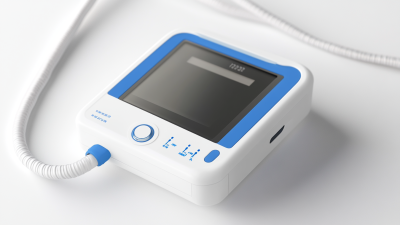
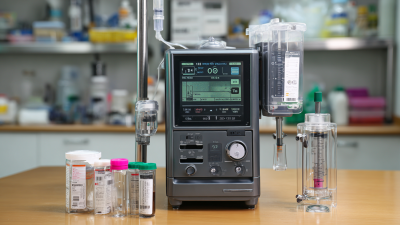
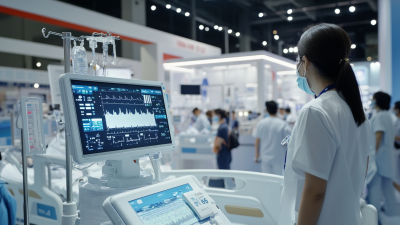
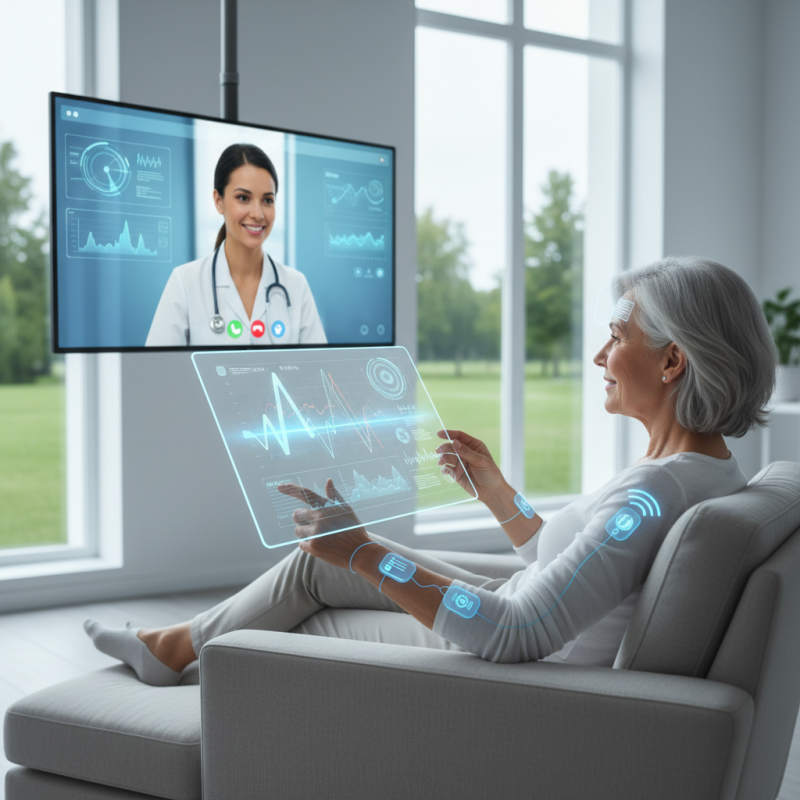
Remote Vital Sign Monitoring has become increasingly important in healthcare. This technology allows healthcare providers to track patients’ vital signs in real time. It is especially crucial for those with chronic conditions. Patients can be monitored from the comfort of their homes.

The use of Remote Vital Sign Monitoring can greatly enhance patient care. It improves response times during emergencies. Providers can detect problems earlier, leading to better health outcomes. However, this system is not without challenges. There are concerns regarding data privacy and the accuracy of devices. Ensuring proper training for users is essential too.

Remote Vital Sign Monitoring also transforms the patient experience. It fosters a sense of independence while receiving care. Patients might feel anxious about relying on technology. Yet, the benefits often outweigh these concerns. Continuous monitoring creates peace of mind for both patients and families. In conclusion, embracing this technology requires addressing its imperfections while recognizing its vital role in modern healthcare.
Why is Remote Vital Sign Monitoring Important in Healthcare?

The Rise of Telehealth and Its Connection to Remote Vital Sign Monitoring

The rise of telehealth has transformed healthcare delivery. Remote vital sign monitoring plays a crucial role in this evolution. Patients can now share their health data from home. This immediate access promotes timely interventions and reduces hospital visits. For many, it means less anxiety and improved management of chronic conditions.

However, reliance on technology is not without challenges. Some patients struggle with devices or lack digital literacy. This disparity can lead to gaps in care. Furthermore, data privacy remains a concern. Ensuring that patient information is secure is vital. These factors highlight the need for ongoing education and support.

Despite these issues, the benefits are significant. Telehealth allows for continuous observation of vital signs. This capability can catch irregularities early. In a society that values convenience, remote monitoring meets the demands of modern healthcare. It emphasizes the importance of proactive health management. As technology progresses, the potential for improvement in patient outcomes continues to grow.
Importance of Remote Vital Sign Monitoring in Telehealth

Remote vital sign monitoring is essential in telehealth as it facilitates continuous patient monitoring, enhances early detection of health issues, and allows for timely interventions. The following chart illustrates the percentage increase in the use of remote vital sign monitoring technologies from 2018 to 2023.

Key Benefits of Remote Vital Sign Monitoring for Patients and Providers

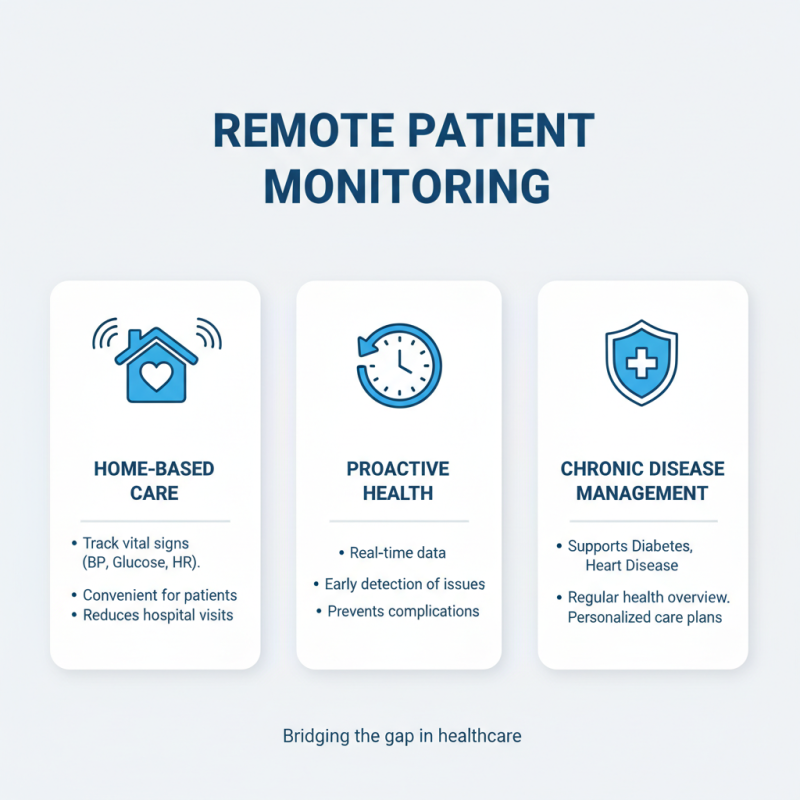
Remote vital sign monitoring is transforming healthcare. It allows real-time tracking of critical health metrics from home. According to a 2022 study, nearly 70% of patients prefer remote monitoring. Patients feel more secure when they can connect with providers without frequent visits.

For providers, remote monitoring reduces the burden on healthcare facilities. A report from the American Telemedicine Association shows that healthcare costs can decrease by up to 20% with these technologies. However, challenges remain. Not all patients have access to reliable internet. This creates a gap in care opportunities that could otherwise benefit many.

The ability to quickly identify deterioration in a patient's condition can save lives. Remote monitoring allows early intervention, which is vital. Still, there are concerns about data accuracy. Incorrect readings can lead to misunderstandings in a patient's care plan. Continuous improvements in technology are necessary to ensure reliability while addressing these potential risks.

Why is Remote Vital Sign Monitoring Important in Healthcare? - Key Benefits of Remote Vital Sign Monitoring for Patients and Providers

Benefit Description Impact on Patients Impact on Providers
Improved Monitoring Continuous assessment of patients' vital signs. Early detection of health issues. More efficient allocation of healthcare resources.
Enhanced Patient Engagement Involves patients in their own health management. Increased adherence to treatment plans. Improved communication with patients.
Cost Efficiency Reduces need for unnecessary hospital visits. Lower healthcare expenses. Reduced overhead costs for medical facilities.
Timely Interventions Allows for immediate response to critical changes. Better health outcomes for patients. Increased efficiency in clinical practice.
Data-Driven Insights Aggregates data for analysis. Personalized treatment plans. Improves overall patient care strategy.

Impact of Remote Monitoring on Chronic Disease Management Statistics

Why is Remote Vital Sign Monitoring Important in Healthcare?

Remote monitoring allows healthcare providers to track vital signs from patients' homes. This approach is particularly beneficial for managing chronic diseases. Many patients with conditions like diabetes or heart disease struggle to attend regular check-ups. Remote monitoring fills this gap efficiently. It provides real-time data on blood pressure, glucose levels, and heart rates.

Statistics show a significant impact on chronic disease management. Recent studies indicate a 30% reduction in hospital admissions for chronic disease patients using remote monitoring. Patients often feel more empowered when they can access their health data. However, some report challenges in understanding technology. Inconsistent data accuracy raises concerns as well.

Healthcare providers gain valuable insights through remote monitoring. Data can reveal trends in a patient’s health over time. Yet, there can be communication barriers. Some patients may not report changes promptly. Further training could help overcome these obstacles. Balancing technology with personal interaction remains essential. The goal is to create a supportive environment for patients managing chronic conditions.

Technological Innovations Enhancing Remote Vital Sign Tracking Efficacy

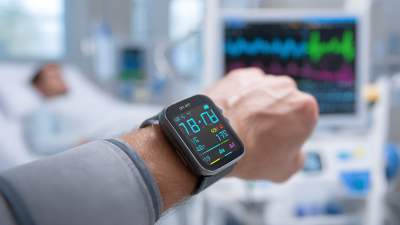
Remote vital sign monitoring has transformed healthcare delivery. Recent studies indicate that over 70% of patients prefer remote monitoring options. Technological innovations have made it easier than ever to track vital signs outside clinical settings. Wearable devices now provide real-time data on heart rate, blood pressure, and more. These advancements enhance patient engagement and compliance, enabling timely interventions.

However, relying on technology can present challenges. Data privacy and security remain top concerns. Many patients worry about sharing their health information online. Additionally, not all devices are equally accurate. Health professionals must evaluate the reliability of monitoring tools carefully. Despite these hurdles, the benefits of remote monitoring far outweigh the pitfalls.

Tips: Ensure any device you choose is FDA-approved for safety. Always discuss with your healthcare provider which monitoring methods are best for you. Regularly reviewing collected data is crucial to understanding your health trends.

Future Trends in Remote Vital Sign Monitoring and Patient Care Integration

Why is Remote Vital Sign Monitoring Important in Healthcare?

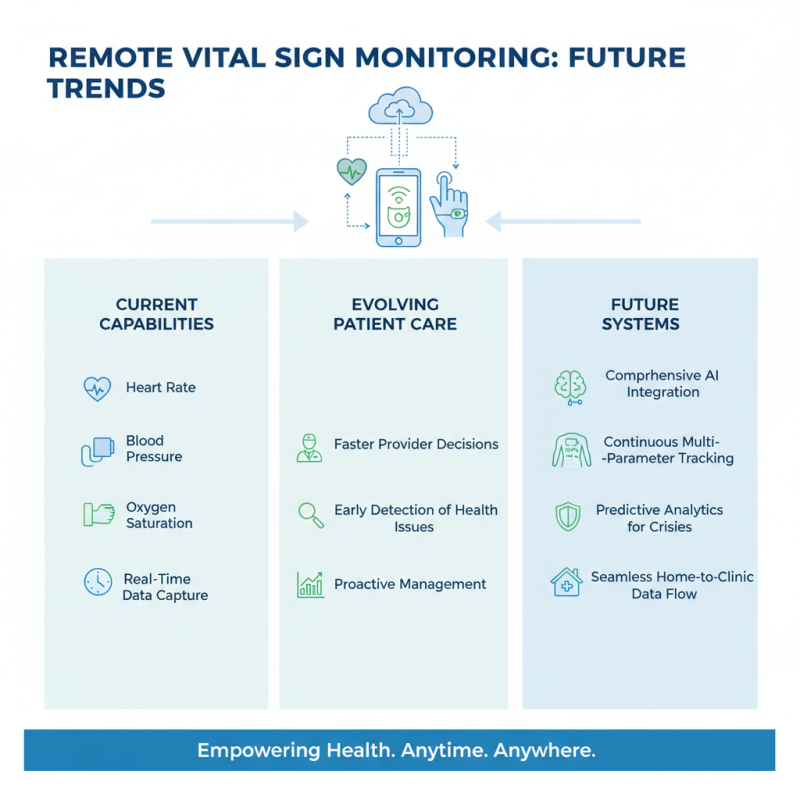
As remote vital sign monitoring technology becomes more prevalent, its integration into patient care is evolving. Future trends point towards even more comprehensive systems. These systems will capture heart rate, blood pressure, and oxygen saturation in real time. This data will enable healthcare providers to make faster decisions. Early detection of health issues is critical.

Tip: When using remote monitoring, ensure your devices are secure. Data privacy is essential in protecting patient information.

Integration will also enhance communication between patients and healthcare providers. Patients will feel more engaged in their care. They can share symptoms instantly. This immediacy can shorten response times. However, not all patients are tech-savvy. Training might be required.

Tip: Consider a user-friendly interface. It will improve patient compliance and satisfaction.

Gaps exist in data interpretation. There may be false positives or negatives. Providers must continuously validate the technology. As we advance, maintaining a human connection in care remains vital. Balancing technology with empathy is key.