Why Use an Oximeter for Your Health Monitoring Needs?

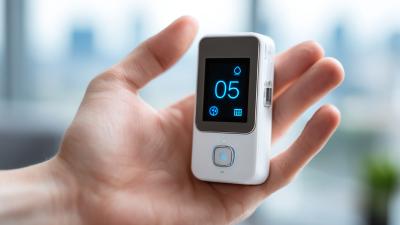
In today's health-conscious world, monitoring vital signs is essential. An oximeter has gained popularity among individuals seeking to track their health. This small device provides crucial insights into oxygen saturation levels and pulse rates, making it an invaluable tool.

Using an oximeter can empower you to take charge of your well-being. By understanding your oxygen levels, you can detect potential issues early. For instance, low oxygen saturation may indicate respiratory problems. Being aware of such changes can prompt timely medical attention.

However, relying solely on an oximeter isn't always enough. It's important to reflect on your overall health and lifestyle. Regular check-ups with healthcare professionals are necessary. The oximeter can be a part of your health toolkit, but it shouldn't replace professional guidance. Balancing self-monitoring with expert advice leads to better health outcomes.
Why Use an Oximeter for Your Health Monitoring Needs?

Understanding Oximeters: What They Measure and How They Work

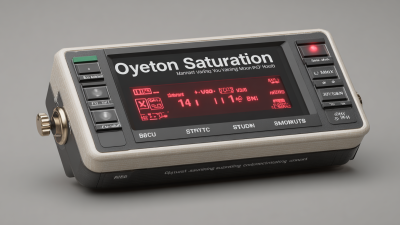
Oximeters are valuable tools for monitoring health. They measure the oxygen saturation level in your blood. Normal levels range from 95% to 100%. A reading below 90% can indicate a problem. This simple device helps in early detection of respiratory issues. Many healthcare professionals advocate for its use, especially for patients with chronic conditions.

Understanding how oximeters work is essential. They utilize light absorption techniques. When a beam of light passes through your finger, it detects changes in blood volume. From this, it calculates oxygen saturation levels. Multiple studies suggest that oximeters can improve patient outcomes. A report by the American Thoracic Society highlighted their role in managing COPD and asthma. However, not every reading is perfect. Physiological factors, like nail polish or skin tone, can affect accuracy.

In clinical settings, consistent training on oximeter use is crucial. Misinterpretations can lead to unnecessary anxiety. It is vital to combine oximeter readings with other diagnostic tools. Relying solely on one measurement may not provide the full picture. Nevertheless, when used correctly, oximeters can be life-saving. They empower individuals to understand their health better.
Oxygen Saturation Levels Over a Week

This bar chart displays the daily measured oxygen saturation levels (%) over a week, illustrating how they can fluctuate based on activity levels and environmental factors.

The Importance of Oxygen Saturation Levels in Health Monitoring

Why Use an Oximeter for Your Health Monitoring Needs?

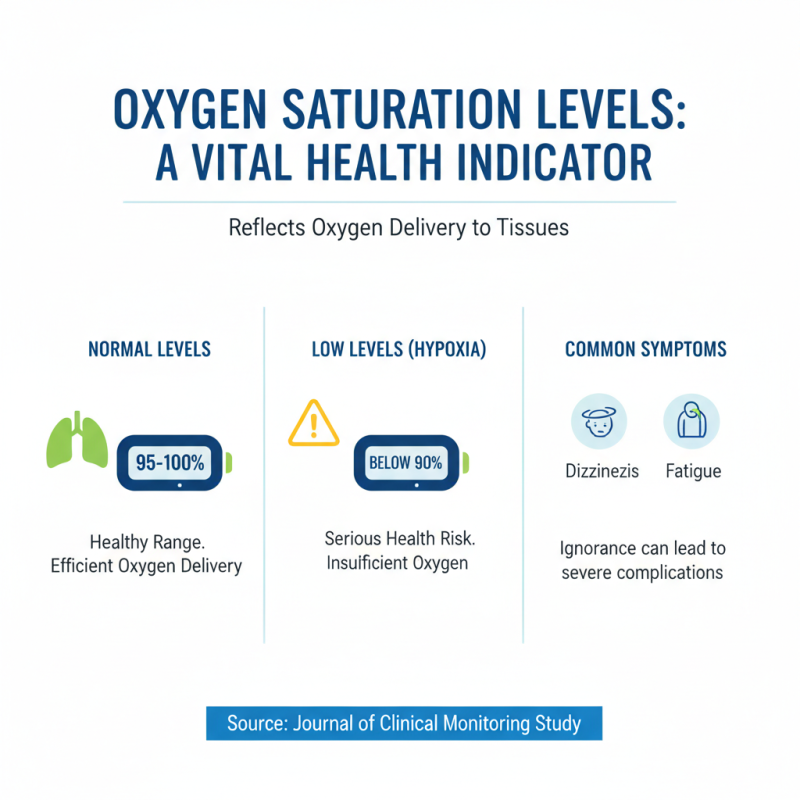
Oxygen saturation levels are vital indicators of respiratory health. They reflect the efficiency of oxygen delivery to the body’s tissues. Normal saturation levels typically range between 95% and 100%. When levels drop below 90%, it can indicate a serious health risk. According to a study published in the Journal of Clinical Monitoring, individuals with low oxygen saturation can experience dizziness and fatigue. These symptoms, if ignored, may lead to severe complications.

Monitoring oxygen saturation at home has become increasingly important. A report by the World Health Organization states that early detection of low oxygen levels can improve patient outcomes. For example, timely interventions can prevent hospitalizations in chronic patients. Many healthcare providers recommend regular monitoring, especially for those with respiratory conditions. However, many people overlook this simple health measure. Inadequate awareness leads to missed warnings of declining health.

Yet, not everyone understands how to use an oximeter correctly. Proper placement on the finger and avoiding nail polish are common mistakes. Such oversights can result in inaccurate readings. People must take time to learn how to use these devices effectively. Investing in knowledge is as crucial as investing in technology.

Clinical Guidelines for Oximeter Use in Chronic Respiratory Conditions

Using an oximeter is crucial for monitoring health, especially in chronic respiratory conditions. The American Thoracic Society recommends regular oximetry for patients with diseases like COPD and asthma. Accurate monitoring can prevent complications. Data shows that nearly 40% of COPD patients experience low oxygen levels, increasing risks of hospitalization.

Oximeters help individuals detect hypoxemia. They provide real-time feedback on oxygen saturation. However, many patients may not recognize how to interpret the readings. A saturation level below 90% often indicates a need for medical evaluation. Yet, many remain unaware of these guidelines.

Poor education on oximetry can lead to mismanagement. Some patients might ignore high readings, assuming they are fine. It is essential to follow clinical guidelines for reliable outcomes. Regular checks can improve treatment responses and overall health. Awareness is key; understanding how to use these devices effectively can enhance patient safety.

Comparative Accuracy of Consumer-Grade vs. Clinical Oximeters

Oximeters are valuable tools for health monitoring. They measure blood oxygen levels, giving insights into one’s respiratory health. However, not all oximeters are created equal. When comparing consumer-grade and clinical oximeters, differences in accuracy and reliability emerge.

Consumer-grade oximeters are accessible and affordable. They are convenient for home use. Yet, their precision can be questionable. For everyday use, they might suffice, but their readings can fluctuate. Factors like skin tone, movement, and nail polish often affect their accuracy. Users may find themselves unsure if the readings are trustworthy.

In contrast, clinical oximeters are designed for medical settings. They undergo rigorous testing and calibration. Health professionals rely on their consistent results. These devices provide more reliable data, proving crucial during diagnosis or treatment. However, they are less available to the general public and come at a higher cost. It's important for individuals to weigh their options and consider what level of accuracy they really need. While both types serve a purpose, understanding their limitations can lead to better health decisions.

Emerging Technologies: Future Trends in Oximetry and Health Monitoring

The field of oximetry is rapidly evolving. Recent studies indicate that the global pulse oximeter market is expected to see a compound annual growth rate (CAGR) of around 7.1% from 2023 to 2030. This growth showcases the increasing reliance on non-invasive health monitoring methods. As technology advances, new oximeters provide more detailed data. These devices may soon integrate with smartphones, enhancing accessibility and user engagement.

Emerging technologies are reshaping health monitoring. Wearable devices now incorporate advanced sensors, improving accuracy. Reports suggest that machine learning algorithms could predict health complications by analyzing oxygen saturation trends. However, we must acknowledge limitations. Not all populations respond equally to these devices. There may be discrepancies in data interpretation across different demographics. Careful consideration is essential as we navigate this innovative landscape.

Moreover, the integration of oximetry into telemedicine is changing patient care. A 2022 analysis revealed that telehealth visits frequently include oximetry measurements, enhancing remote monitoring capabilities. Yet, questions about data security and patient privacy persist. We must reflect on our readiness to embrace these technologies while ensuring ethical practices in health monitoring.