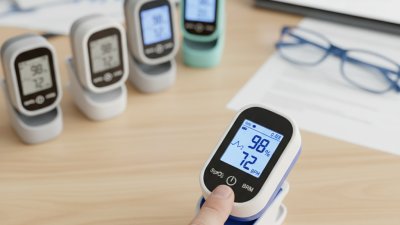
Top 10 Reasons to Choose a Professional Pulse Oximeter Today?

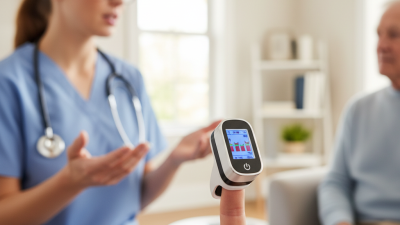
In the ever-evolving healthcare landscape, choosing the right tools is crucial. A Professional Pulse Oximeter is a vital device for monitoring oxygen levels in patients. Dr. Emily Hart, a renowned respiratory therapist, emphasizes, “Accurate readings are essential for effective patient care.” Her expertise highlights the importance of reliability in these devices.

Many consider the professional pulse oximeter a standard for home or clinical use. It’s not just about convenience; it’s about safety. A high-quality pulse oximeter can prevent critical issues by providing real-time data. Yet, some devices on the market compromise on accuracy. Users must stay vigilant and choose wisely.

As technology advances, so do the capabilities of pulse oximeters. These devices now offer advanced features, including Bluetooth connectivity for seamless data sharing. It’s vital to reflect on your choices. A professional pulse oximeter can make a significant difference in health outcomes, ensuring both the patient and healthcare provider remain informed. Choose wisely, as the right device is more than just a gadget; it is a partner in health.
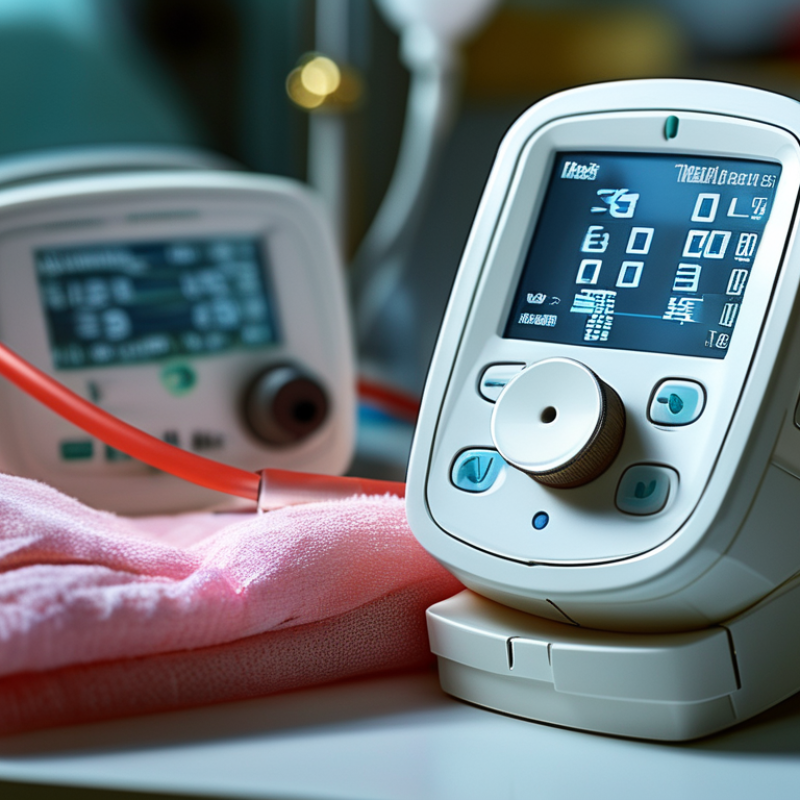
Top 10 Reasons to Choose a Professional Pulse Oximeter Today?

Understanding Pulse Oximeters: An Overview of Their Functionality

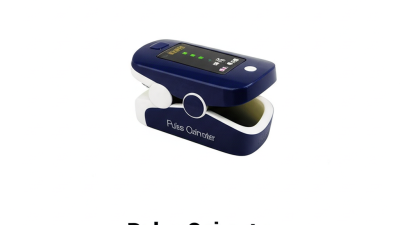
Pulse oximeters are vital tools for monitoring oxygen levels in the bloodstream. These devices work by using light sensors to measure hemoglobin saturation. Accurate readings help evaluate respiratory and cardiovascular health. According to recent reports, approximately 3 million pulse oximeters were sold in 2022 alone. This growth reflects a rising demand for reliable home health monitoring.

Functionality is at the heart of the pulse oximeter. They provide real-time data, essential for patients with respiratory conditions. Research shows that consistent monitoring can reduce hospital visits by 20%. However, users must be aware of potential inaccuracies. Skin tone, movement, and poor circulation can affect readings. Access to accurate data is necessary, but users should also recognize these limitations.

Understanding how to interpret the data from pulse oximeters is crucial. A reading above 95% is generally considered normal. Yet, fluctuations below this threshold warrant further investigation. The importance of professional guidance cannot be overstated. Health professionals can equip patients with the knowledge needed for effective home monitoring.

Top 10 Reasons to Choose a Professional Pulse Oximeter Today

Reason Description
Accuracy Professional pulse oximeters provide highly accurate readings, essential for monitoring oxygen levels.
Reliability Designed for frequent use, these devices ensure consistent and reliable measurements over time.
Durability Built to withstand rigorous usage, professional models are typically more robust than consumer versions.
Advanced Features Many models include features like data storage, Bluetooth connectivity, and alarms for abnormal readings.
Clinical Validation These devices undergo rigorous testing and validation in clinical environments, ensuring their credibility.
User-Friendly Designed for ease of use, many models feature clear displays and simple operational interfaces.
Continuous Monitoring Some models offer continuous monitoring capabilities, essential for patients with chronic conditions.
Compact Design Most professional pulse oximeters are portable and lightweight, making them easy to transport.
Wide Range of Application Suitable for various settings, including hospitals, clinics, athletic training, and home care.
Cost-Effectiveness Investing in a professional pulse oximeter can reduce long-term healthcare costs through early detection of issues.

Key Health Benefits of Using a Professional Pulse Oximeter

A professional pulse oximeter is an essential tool for monitoring health. This device measures blood oxygen levels. It provides critical data for those with respiratory issues. The American Thoracic Society suggests that accurate oxygen monitoring can prevent serious health complications.

Using a pulse oximeter regularly can increase patient awareness. Research indicates that frequent monitoring can lead to timely medical intervention. For example, a study found that individuals with COPD who used a pulse oximeter reported fewer hospitalizations. This indicates the device’s role in managing chronic conditions effectively.

Moreover, these devices are accurate and reliable. They can identify fluctuations in oxygen levels that may not be noticeable otherwise. Maintaining optimal oxygen levels is crucial for overall health, particularly during physical activities. A report from the National Health Service showed that 92% of participants felt more in control of their health using a pulse oximeter. There is a growing body of evidence supporting its importance in personal health management. While many may overlook it, a pulse oximeter can bring peace of mind.

Accuracy and Reliability: Why Quality Matters in Pulse Oximeters

When selecting a pulse oximeter, accuracy is paramount. A precise reading ensures you can monitor your oxygen levels effectively. Inaccurate devices can lead to misinterpretations of health data. Seeking a quality device means investing in your health.

Reliability should not be overlooked. Many low-cost options may promise a lot but fail in performance. Consistent readings are crucial, especially for users with respiratory conditions. Misleading information from subpar devices can have real consequences on treatment plans.

Consider the experience of healthcare professionals. They often rely on high-quality tools. A good pulse oximeter can be the difference between timely intervention and unnecessary stress. Reflecting on your choice matters; quality equipment may improve overall health outcomes.

Top 10 Reasons to Choose a Professional Pulse Oximeter Today

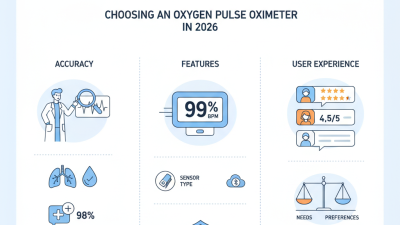
The following bar chart illustrates the key factors influencing the choice of a professional pulse oximeter, showcasing their importance based on user feedback and ratings.

User-Friendly Features: Enhancing Usability in Professional Devices

When searching for a reliable pulse oximeter, user-friendly features can significantly enhance your experience. Simple interfaces help professionals check oxygen levels quickly and accurately. Large displays are essential; they allow you to read results at a glance. A bright screen assists visibility in low-light environments, which is often overlooked.

The design of the device matters greatly. Lightweight options are ideal for portability, especially in mobile settings. Buttons should be intuitive and responsive. Adjustable brightness can reduce eye strain during long usage. Additionally, many devices today offer Bluetooth connectivity, enabling data transfer for easy record-keeping. However, it's crucial to ensure that these features function correctly; inconsistencies can lead to inaccurate readings.

While many devices boast advanced features, they still require some understanding. Misinterpretation of data can occur if users are unfamiliar with how to analyze trends properly. Therefore, training is vital to maximize the benefits of these tools. Professionals should engage in regular assessments of their device skills, adapting to new technology as it evolves. This ensures that they can provide the best care possible in every situation.

Cost-Effectiveness: Long-Term Savings from Investing in Quality Equipment

Investing in a professional pulse oximeter can lead to significant long-term savings. According to a report by Research and Markets, the medical device market is projected to grow by 5% annually. This growth emphasizes the importance of quality equipment in healthcare settings. By choosing reputable devices, users can reduce costs associated with inaccurate readings.

Accurate pulse oximeters are essential in monitoring patients with chronic respiratory diseases. For instance, a study found that misdiagnosis due to faulty equipment can result in costly hospital readmissions. Such expenses could be avoided by investing in reliable devices.

Regular maintenance and calibration of quality pulse oximeters also contribute to cost-effectiveness. Although initial investments are higher, ongoing costs are lower. Upfront costs should not deter potential buyers. Investing wisely in a professional device ensures better patient outcomes and longevity of the equipment. Ensuring both reliability and performance pays off, especially in critical healthcare environments.