Top Surgical Instruments Used in Modern Medicine?
In modern medicine, the role of Surgical Instruments is paramount. A recent report by Grand View Research indicates the global surgical instruments market was valued at over $12 billion in 2021 and is expected to grow significantly by 2028. This surge reflects advancements in technology and innovation in the healthcare sector.
Surgical instruments are essential for procedures ranging from minor surgeries to complex operations. Each instrument serves a specific purpose, ensuring precision and safety during surgeries. For instance, scalpels, forceps, and suturing devices are fundamental to surgical success. However, the quality of these tools can vary greatly. A study published in the Journal of Surgical Research highlighted that improper usage and maintenance of surgical instruments can lead to complications.
Despite significant advancements, challenges persist. Many healthcare facilities struggle with maintaining the sterilization of instruments, risking patient safety. The need for continuous training and upgrades in technology remains critical. As the landscape of surgery evolves, a reflection on the instrument's integrity and usage practices is vital for improved outcomes.
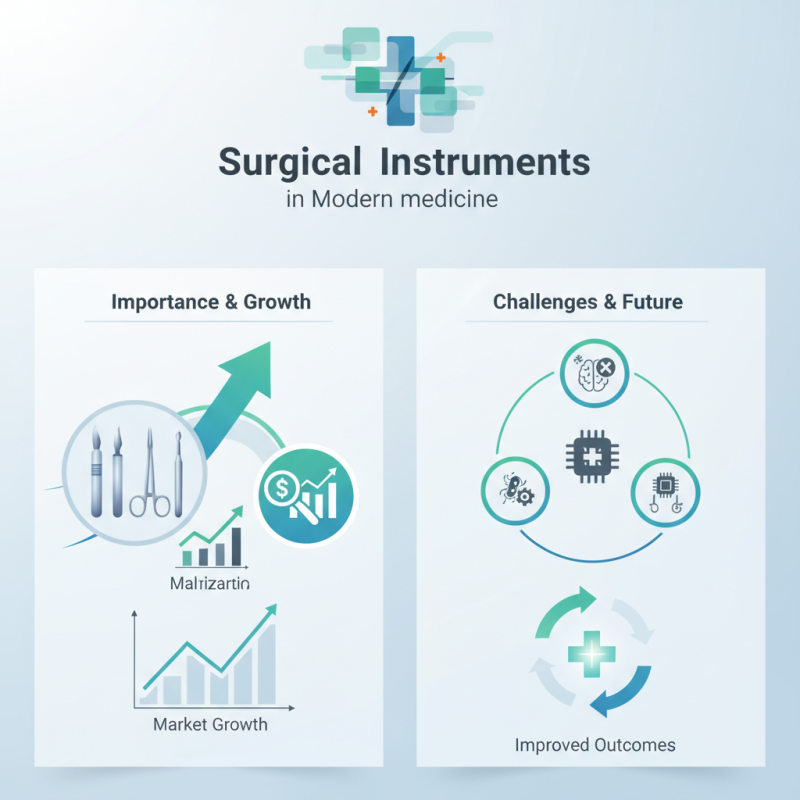
Overview of Surgical Instruments in Modern Medicine
Surgical instruments play a crucial role in modern medicine. They enable precise procedures and improve patient outcomes. Each instrument serves a specific purpose, whether it's for cutting, grasping, or suturing tissue. Popular instruments include scalpels, forceps, and retractors. These tools are staples in operating rooms worldwide.
However, the reliance on surgical instruments also raises concerns. Misuse or improper sterilization can lead to infections. Training is vital, yet not all healthcare professionals receive adequate instruction. In some cases, instruments may not perform as expected. Issues like instrument malfunction need addressing to ensure patient safety.
The evolution of surgical instruments continues to impact medicine. While technology enhances capabilities, it also introduces complexity. For example, robotic-assisted tools offer greater precision but require extensive training to operate. As surgery advances, practitioners must navigate both benefits and challenges. Balancing innovation with safety is essential for effective healthcare.
Essential Surgical Instruments for Different Medical Specialties
Modern medicine relies heavily on essential surgical instruments tailored for various medical specialties. In general surgery, scalpels and forceps are indispensable. Scalpels allow surgeons to make precise incisions. Forceps assist in gripping tissues securely. These instruments are vital for effective surgery, yet they must be handled with great care. Misuse can lead to serious complications.
In orthopedic surgery, specialized tools like bone saws and drills come into play. These instruments help in aligning bones and repairing joints. Each tool serves a unique purpose, contributing to patient recovery. However, there is a reliance on technology that may sometimes overshadow the need for manual skills. Surgeons must remain cautious and always refine their techniques. Balancing technology with tradition is essential in maintaining surgical excellence.
Top Surgical Instruments Used in Modern Medicine
Advancements in Surgical Instrument Technology and Design
Surgical instrument technology has evolved significantly in recent years. Advanced materials make these instruments more durable and precise. For example, stainless steel and titanium are popular choices. They ensure longevity and reduce the risk of corrosion. A recent industry report indicated that the surgical instruments market is projected to reach USD 12.5 billion by 2025. This growth reflects the increasing demand for minimally invasive procedures.
Innovative designs enhance usability in the operating room. Ergonomic handles reduce strain during lengthy surgeries. A study showed that improved grip can decrease hand fatigue by up to 20%. However, many instruments still lack the integration of smart technology. For example, there are no widely available tools that use sensors for feedback during procedures. This gap presents an opportunity for future advancement.
Additionally, training surgeons on new instruments can be challenging. New technologies require adaptation and may not always be intuitive. Reports reveal that over 30% of complications arise from instrument misuse. This statistic highlights the need for better education and training programs. Throughout these developments, challenges remain, urging the industry to constantly seek improvement.
Top Surgical Instruments Used in Modern Medicine
| Instrument | Function | Material | Advancements |
| Scalpel | Incision and dissection | Stainless steel, carbon steel | Precision manufacturing, single-use blades |
| Forceps | Grasping and holding tissues | Titanium, stainless steel | Ergonomic designs, varied tip shapes |
| Scissors | Cutting tissues | Stainless steel | Microsurgical scissors, enhanced sharpness |
| Needle Holder | Holding needles for suturing | Stainless steel | Locking mechanisms for better grip |
| Electrocautery | Cutting or coagulating tissue | Composite materials | Smart temperature control, minimally invasive options |
| Suction Devices | Removing blood and fluids | Plastic, stainless steel | Improved filtration systems, reduced noise |
Safety and Sterilization Practices for Surgical Instruments
Surgical instruments play a vital role in modern medicine. Their safety and sterilization are critical for patient outcomes. Inadequate sterilization can lead to infections. According to the World Health Organization (WHO), surgical site infections account for up to 25% of healthcare-associated infections. This statistic emphasizes the importance of proper practices.
Ensure that all instruments are thoroughly cleaned. Sterilization methods can include autoclaving, ethylene oxide gas, and hydrogen peroxide. Each method has specific guidelines to follow. Improper application can leave instruments contaminated. A recent report indicated that 30% of surgical instruments do not meet safety standards due to lapses in sterilization protocols.
Tips: Always verify the sterilization indicators. Use biological indicators every time to confirm sterilization success. Regular audits of sterilization processes can highlight mistakes. Hospitals should invest in staff training to prevent issues. Proper tracking and documentation are also crucial. Remember, even small lapses can have serious consequences. Aim for continuous improvement in safety practices.
Future Trends in Surgical Instrument Development and Usage
The future of surgical instrument development is bright but complex. Innovations are evolving rapidly. According to a recent report by MarketsandMarkets, the surgical instruments market is projected to reach $45 billion by 2025. This growth is driven by advancements in technology and increasing surgical procedures.
Robotic-assisted surgeries are gaining momentum. These instruments can enhance precision and reduce recovery times. However, not all healthcare facilities can afford such systems. The disparity in access raises concerns. Training is crucial, as not all surgeons are familiar with these advanced tools.
Additionally, eco-friendly materials are becoming a trend. As hospitals aim for sustainability, biodegradable surgical instruments are in demand. Yet, the challenge lies in balancing performance with environmental impact. Manufacturers must navigate this delicate line. As the industry evolves, stakeholders must address these complexities for future advancements.