

Why Choose Glycine Powder for Global Sourcing?
Why Choose Glycine Powder for Global Sourcing?
Glycine Powder is a small ingredient with a wide industrial footprint. It supports food, pharmaceutical, feed, cosmetic, and chemical applications. Buyers often value its neutral taste, high solubility, and relatively simple handling. Yet procurement decisions should examine more than price.
The FAO/WHO Joint Expert Committee on Food Additives has evaluated glycine for permitted food-use applications. The U.S. Food and Drug Administration also lists glycine under 21 CFR §184.1323. These references help buyers assess regulatory suitability across markets. Grand View Research identifies amino acids as a continuing growth area, supported by nutrition, healthcare, and functional-food demand. However, broad market forecasts can hide differences between technical, food, and pharmaceutical grades.
“Quality begins with control of the entire supply chain, not only the final test.” This principle, associated with amino-acid quality specialist Dr. Hiroshi Shimizu, remains highly relevant to Glycine Powder sourcing. Buyers should verify assay, moisture, heavy metals, microbiological limits, packaging integrity, and batch consistency. A sealed 25-kilogram bag may look acceptable, yet poor storage can cause caking or contamination.
Supplier audits matter. So do traceability records.
Global sourcing can improve cost stability and supply resilience, but it also introduces freight delays, documentation gaps, and variable specifications. The best sourcing decision is therefore not always the cheapest one. It is the option supported by transparent testing, reliable production controls, and realistic logistics planning. Insufficient supplier evidence should remain a warning sign, even when the quotation appears attractive.
What Is Glycine Powder and How Is It Produced?
Why Choose Glycine Powder for Global Sourcing?
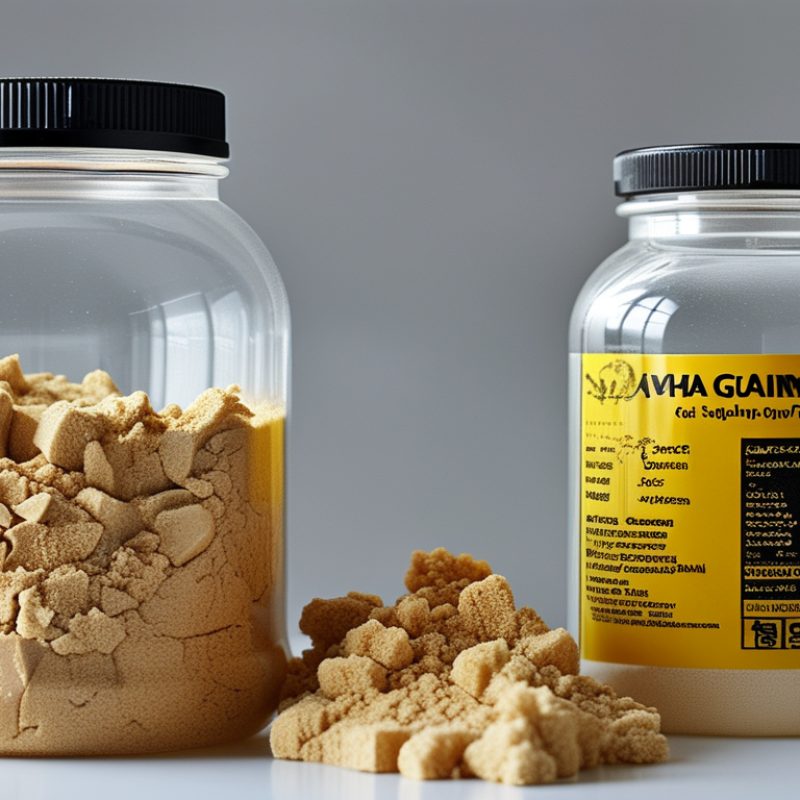
Glycine powder is a simple amino acid with a sweet taste and fine, white crystalline appearance. It dissolves readily in water and supports many food, nutrition, laboratory, and industrial formulations. Glycine is also known as 2-aminoacetic acid. Its small molecular structure makes it useful as a buffering and formulation ingredient. Quality depends on more than appearance.
Commercial glycine is commonly produced through controlled chemical synthesis. One established route reacts an appropriate chloroacetic compound with ammonia under monitored conditions. The reaction mixture then undergoes separation, purification, crystallization, and drying. Some producers use protein hydrolysis, although this route may require different purification controls. The final powder is usually milled and packed in moisture-resistant containers. Small details matter here.
From a sourcing perspective, I would review the specification before comparing prices. Important checks include assay, moisture, particle size, residue limits, heavy metals, and microbial results. A clean white powder can still fail a critical test. Batch records and certificates should match the actual shipment. I have learned that supplier questionnaires alone are not enough. Independent testing may reveal variation between lots, especially when storage conditions are unclear. Buyers should also confirm the production route, packaging date, shelf-life basis, and transport protection. Documentation can look complete, yet one missing method may weaken the whole evaluation.
Why Choose Glycine Powder for Global Sourcing? - What Is Glycine Powder and How Is It Produced?
| Data Dimension | Factual Data | Relevance for Global Sourcing |
|---|---|---|
| Chemical identity | Glycine is the simplest amino acid and is also known as aminoacetic acid. | Its simple molecular structure supports broad use in food, feed, pharmaceutical, chemical and laboratory applications. |
| CAS Registry Number | 56-40-6 | A globally recognized identifier that helps buyers compare specifications and avoid confusion with other amino acids. |
| Molecular formula | C2H5NO2 | The formula provides a consistent technical reference for regulatory documents, customs classification and quality control. |
| Molar mass | 75.07 g/mol | Useful for formulation calculations, concentration control and technical evaluation across international supply chains. |
| Physical appearance | White to off-white crystalline powder with a slightly sweet taste and generally low odor. | A uniform appearance makes incoming inspection, batch comparison and visual quality checks relatively straightforward. |
| Water solubility | Approximately 249 g/L in water at 25°C; the exact value can vary with test method and source. | Good water solubility supports use in liquid formulations, fermentation media, nutrient systems and aqueous processing. |
| Acid-base behavior | Glycine is amphoteric. Its reported pKa values are approximately 2.3 for the carboxyl group and 9.6 for the ammonium group at 25°C. | This buffering and zwitterionic behavior is relevant to formulation design and chemical processing. |
| Industrial production route | A widely used route reacts monochloroacetic acid with ammonia to form glycine and ammonium chloride as the principal inorganic by-product. | Understanding the route helps buyers evaluate process consistency, impurity profiles, wastewater controls and documentation. |
| Simplified reaction | ClCH2COOH + 2NH3 → NH2CH2COOH + NH4Cl | The reaction illustrates why chloride, ammonium and residual starting-material levels may be included in a certificate of analysis. |
| Alternative manufacturing methods | Other routes may include hydantoin hydrolysis or related chemical synthesis methods, depending on the producer and target grade. | Different routes can produce different impurity patterns, so buyers should request process information when purity or regulatory requirements are strict. |
| Typical commercial assay | Commercial grades commonly specify an assay around 98.5% to 99.5% or higher, depending on the intended application and applicable standard. | The required assay should be matched to the end use rather than selected by price alone. The exact acceptance limit must be confirmed on the specification sheet. |
| Common quality parameters | Typical controls include assay, identification, loss on drying or moisture, residue on ignition, chloride, heavy metals, iron, pH and particle size. | A standardized testing panel makes multi-country supplier qualification and lot-to-lot comparison more reliable. |
| Application sectors | Used in animal-feed formulations, food processing, pharmaceutical manufacturing, personal-care products, electroplating and chemical synthesis. | The broad application base can support diversified procurement and reduce dependence on a single downstream market. |
| Storage characteristics | Store in a tightly closed container in a cool, dry, well-ventilated area and protect from moisture and contamination. | Appropriate warehouse conditions help preserve powder flow, appearance and conformance during international transit and storage. |
| Packaging considerations | Common industrial packaging includes multi-wall bags, lined bags, drums or bulk formats; the selected format depends on grade, order size and logistics. | Packaging should be assessed for moisture protection, palletization, container loading efficiency and local import requirements. |
| Supplier documentation | Typical documents include a specification sheet, certificate of analysis, safety data sheet, lot traceability records and, where applicable, food- or pharmaceutical-related compliance documents. | Complete documentation supports customs clearance, internal quality approval and regulatory review in different destination markets. |
| Important sourcing note | Values shown are general technical references. Final purchasing decisions should be based on the current product specification, certificate of analysis, intended application, destination-country regulations and validated sample testing. | |