2026 Best Home Pulse Oximeter for Global Buyers

Choosing the 2026 Best Home Pulse Oximeter for Global Buyers requires more than comparing screen brightness or online ratings. A reliable device should show oxygen saturation, pulse rate, measurement stability, and clear user guidance. The World Health Organization reports that chronic respiratory diseases caused approximately 4.1 million deaths globally in 2019. This figure reinforces the need for practical monitoring tools at home, especially for families managing respiratory conditions.

Accuracy matters most. The U.S. Food and Drug Administration warns that pulse oximeter readings can be affected by skin pigmentation, poor circulation, cold fingers, movement, nail products, and tobacco use. Therefore, a Home Pulse Oximeter should be tested under steady conditions, with warm hands and minimal movement. A single reading is not a diagnosis. That warning deserves attention.

Look for devices aligned with recognized medical-device requirements, such as ISO 80601-2-61, and check whether the seller provides transparent performance information. Independent clinical validation is preferable to vague “medical grade” language. Buyers should also consider regional approvals, warranty support, language options, battery availability, and compatibility with local power standards. Small details become important during nighttime use.

No product is perfect.

Our 2026 comparison will examine real-world usability, displayed consistency, signal quality, comfort, durability, and international purchasing concerns. It will also discuss limitations that promotional pages often overlook. Results may vary between users and environments. When readings conflict with symptoms, professional medical advice should guide decisions, not the device alone.

2026 Best Home Pulse Oximeter for Global Buyers

What Is a Home Pulse Oximeter and How Does It Work?

2026 Best Home Pulse Oximeter for Global Buyers

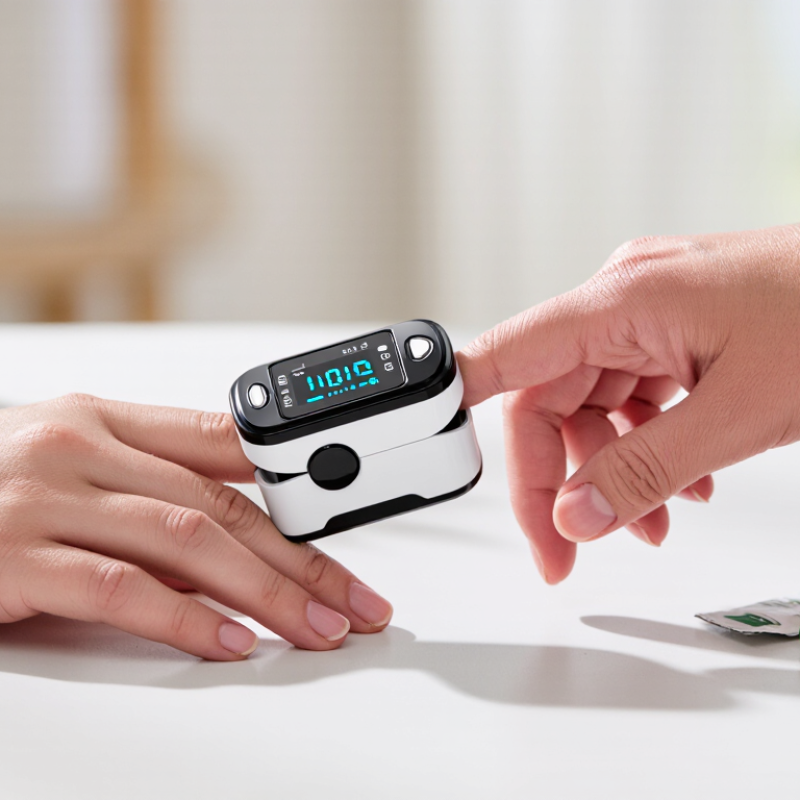
A home pulse oximeter is a small, non-invasive device that estimates blood oxygen saturation and pulse rate. It usually clips onto a fingertip. Inside, red and infrared light pass through the finger’s tissue. Oxygen-rich and oxygen-poor blood absorb these light wavelengths differently. The sensor studies the changing light pattern with each heartbeat. This process, called photoplethysmography, produces an SpO2 reading and pulse rate within seconds.

In practical use, warm hands and steady positioning can improve readings. Cold fingers, nail coverings, movement, poor circulation, or bright sunlight may cause inaccurate results. A single number does not explain every health condition. It is a screening aid, not a diagnosis. Readings should be considered alongside symptoms and professional medical advice. I have found that users often trust the display too quickly, which is a reasonable mistake but still worth questioning.

Tips: Rest quietly for several minutes before measuring. Place the sensor correctly and keep your hand relaxed. Try another finger if the number looks unusual. Take two or three readings and observe the pattern. Do not rely only on the device during breathing difficulty, chest discomfort, confusion, or bluish lips. Seek qualified medical care when symptoms appear, even if the screen seems reassuring. Settings and medical-device requirements differ between countries, so buyers should check local guidance and use instructions.

2026 Best Home Pulse Oximeter for Global Buyers

What Is a Home Pulse Oximeter and How Does It Work?

A home pulse oximeter is a non-invasive fingertip device that estimates blood oxygen saturation (SpO₂) and pulse rate. It uses red and infrared light to compare light absorption in oxygenated and deoxygenated blood. For many healthy adults at sea level, SpO₂ is typically 95–100%. Repeated readings of 92% or lower, or 88% or lower, require prompt medical attention depending on local clinical guidance and individual conditions. Readings can be affected by cold fingers, movement, poor circulation, nail polish, skin pigmentation, and device limitations.

Key Features to Consider When Choosing a Pulse Oximeter

2026 Best Home Pulse Oximeter for Global Buyers

Key Features to Consider When Choosing a Pulse Oximeter

For global buyers, accuracy should guide every pulse oximeter choice. A reliable reading begins with a stable sensor and clear instructions. Look for an oxygen saturation range of 70% to 100% and pulse-rate measurements suitable for home monitoring. The display should remain readable in dim bedrooms and bright daylight. Large digits help older users. Simple controls reduce confusion during stressful moments.

Sensor fit matters more than many product descriptions suggest. A loose clip can produce unstable numbers. Cold fingers, dark nail coatings, movement, and poor circulation may also affect results. Choose a model that responds quickly and shows a signal-quality indicator when possible. Take readings after resting for several minutes. Compare two measurements instead of trusting one.

No home meter is perfect. It is tempting to treat one number as truth, but that habit needs questioning. Check the device’s regulatory compliance for your market, warranty terms, battery access, and instruction languages. Bluetooth features may be convenient, yet buyers should review data permissions carefully. A dependable manual should explain limitations, cleaning, storage, and when to seek medical advice. Persistent unusual readings or breathing difficulty require professional attention, not repeated guesses.

How to Use a Pulse Oximeter Correctly at Home

How to Use a Pulse Oximeter Correctly at Home

A home pulse oximeter estimates blood oxygen saturation and pulse rate through a fingertip. It helps track changes, but it cannot diagnose illness. Sit quietly for five minutes before measuring. Warm your hand and remove nail polish or artificial nails. Place the device on a clean index or middle finger. Keep your hand still, relaxed, and below heart level. Wait until the numbers become steady. One reading can mislead. Record the time, oxygen level, pulse, and symptoms. Trends may matter more than a single result.

Tips: Check the battery and sensor before use. Compare two fingers if the result seems unusual. Avoid measuring after exercise, cold exposure, or smoking. The routine is simple, but it is easy to rush. Cold hands and movement can distort results. Darker skin pigmentation, poor circulation, and some medical conditions may also affect accuracy.

Do not rely only on the display if breathing becomes difficult, lips look blue, or chest pain develops. Seek urgent medical care.

A normal number does not always mean everything is safe. This limitation deserves attention. If you have lung or heart disease, follow your clinician’s personal threshold. Global buyers should choose a legally approved device with clear instructions and reliable support. Use home readings as helpful information, not as a replacement for professional assessment.

Best Home Pulse Oximeter Types for Different Global Buyers

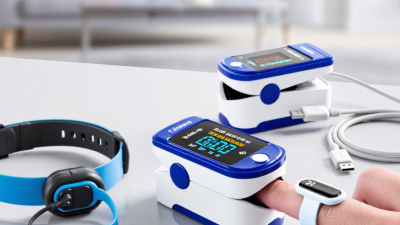
Choosing the best home pulse oximeter depends on the buyer’s routine, location, and health needs. Fingertip models suit travelers and families wanting quick readings. They are small, simple, and usually battery-powered. Handheld models offer larger screens and longer probes. They work better for caregivers, older adults, or repeated checks. Wearable models may help active users monitor trends, but comfort and battery life vary. For children, select an age-appropriate sensor and follow professional guidance. Tiny fingers can produce unreliable readings.

A dependable device should display oxygen saturation, pulse rate, and a stable waveform. The waveform helps users notice weak contact or movement errors. Look for clear instructions, low-battery alerts, and memory functions. Buyers in humid or cold regions should check operating-temperature details. Users with darker skin tones should seek evidence of testing across diverse skin types. Regulatory clearance supports quality, but it does not guarantee perfect readings. Home experience has taught many users this: cold hands can mislead the screen. No device is flawless.

Tips: Rest for five minutes before measuring. Warm cold fingers gently. Remove dark nail coatings when possible. Keep still, and wait for a steady number. Compare repeated readings instead of trusting one result. If results conflict with symptoms, contact a qualified healthcare professional.

Accuracy, Safety, Maintenance, and International Buying Tips

2026 Best Home Pulse Oximeter for Global Buyers

Accuracy depends on more than the screen reading. In a 2021 safety communication, the U.S. Food and Drug Administration warned that skin pigmentation, poor circulation, cold fingers, nail polish, and motion can affect pulse oximeter accuracy. A New England Journal of Medicine study found occult hypoxemia in 11.7% of Black patients, compared with 3.6% of white patients, when oxygen saturation readings appeared similar. These findings deserve attention from every international buyer. Choose a device with published validation data, clear instructions, and the required conformity marking for your country. A low price is not proof of value.

Use the oximeter after resting for several minutes. Warm the finger, keep the hand still, and wait for a stable pulse signal. Compare readings over time, rather than trusting one number. Never use the device alone to judge breathing danger. Blue lips, confusion, chest pain, or severe breathlessness require urgent medical help, even if the display looks reassuring. Numbers can mislead.

Maintenance is simple but important. Wipe the sensor with a manufacturer-approved disinfectant, and never soak it. Remove batteries before long storage, when instructed. Check the screen, spring tension, and battery compartment for damage. Keep a brief log of readings, symptoms, time, and activity. I would also question unexplained changes, not immediately blame the device. Home testing is useful, but it is not perfect.

2026 Best Home Pulse Oximeter for Global Buyers - Accuracy, Safety, Maintenance, and International Buying Tips

Evaluation Dimension Reliable Data or Recommended Specification Why It Matters for Home Users International Buying and Use Tips
Oxygen Saturation Range Most fingertip devices display approximately 70%–100% SpO2. Readings below the validated range may be less reliable. A wider display range does not automatically mean better accuracy. The validated measurement range is more important than the lowest number shown on the screen. Check the technical specification and instructions for use. Do not compare readings from different devices as though they were laboratory measurements.
SpO2 Accuracy For many compliant consumer devices, the stated accuracy is commonly around ±2 percentage points in the specified 70%–100% range. Confirm the exact model specification. A displayed reading of 95% may represent a nearby value within the stated accuracy range. Trends and repeated readings can be more useful than one isolated result. Look for published accuracy information tested under applicable pulse-oximeter requirements, rather than relying only on phrases such as “medical grade” or “high precision.”
Pulse-Rate Accuracy A common specification is approximately ±2 beats per minute or ±2%, whichever is greater, within the stated operating range. Movement, weak circulation, irregular rhythm, and signal interference can make the displayed pulse rate fluctuate. Compare the reading with the person’s symptoms and, when appropriate, manually count the pulse or use another validated method.
Relevant Standards Check for documentation referencing ISO 80601-2-61 for pulse oximeter performance and applicable electrical-safety requirements such as IEC 60601-1. Standards provide a framework for performance and safety testing, but a standards reference alone does not guarantee suitability for every user or situation. Verify the product’s legal status in the destination market. Regulatory pathways and required markings differ by country or region.
Sensor Design Spring-loaded fingertip clip with a red and infrared optical sensor; soft, smooth contact surfaces are preferable. A stable fit helps maintain contact and reduces light leakage. The device should not cause persistent pain, numbness, or skin discoloration. Choose a size suitable for the intended user. For children, infants, or unusually small fingers, use a sensor specifically authorized for that population.
Display Readability Bright, high-contrast digits with clear labels for SpO2 and pulse rate; an adjustable orientation is useful. Large, unambiguous readings are easier to interpret for older adults and users with reduced vision. For frequent nighttime use, check whether the display brightness can be adjusted and whether the device has an automatic shut-off feature.
Signal-Quality Indicator A pulse waveform, signal bar, or perfusion indicator is preferable to a number-only display. It helps the user determine whether the number is stable or may be affected by motion, poor contact, or weak perfusion. Wait for a stable pulse signal before recording a result. Do not treat a rapidly changing number as a confirmed measurement.
Measurement Procedure Rest quietly, warm the hand, keep the finger still, place the sensor correctly, and wait for a stable reading, often for about 30–60 seconds. Correct technique can reduce avoidable variation caused by movement, cold fingers, or an unstable signal. Remove dark nail coverings where possible, keep the hand below or near heart level, and repeat the measurement on another finger if the signal is poor.
Known Sources of Error Cold extremities, poor circulation, motion, tremor, bright ambient light, incorrect placement, low battery, and some nail products can affect results. Pulse oximeters estimate oxygen saturation optically; they do not directly measure blood oxygen in the way a blood-gas test does. Do not use a single unexpected result to make a diagnosis. Recheck technique and consider professional assessment when symptoms or abnormal readings persist.
Skin-Tone Considerations Accuracy can vary by device, oxygen level, and measurement conditions. Some devices may overestimate oxygen saturation in certain situations, particularly at lower oxygen levels. A normal-looking display should not override serious symptoms. Device validation should include information relevant to diverse skin pigmentation where available. Ask the seller or manufacturer for validation details and follow local clinical guidance, especially for users monitoring respiratory or cardiac disease.
Safety Thresholds Many clinical instructions treat a persistent reading below approximately 90% as potentially urgent, but the correct threshold depends on the person and clinical advice. Altitude, chronic lung disease, prescribed oxygen targets, and acute illness can change how a reading should be interpreted. Seek urgent medical help for severe breathlessness, chest pain, confusion, blue or gray lips, fainting, or rapidly worsening symptoms, regardless of the displayed number.
Not a Diagnostic Device A home pulse oximeter is a monitoring aid and does not replace clinical examination, blood-gas testing, or professional diagnosis. Symptoms, medical history, and changes over time are essential when interpreting oxygen readings. Use a clinician-provided target range when monitoring an established condition. Do not change medication or oxygen flow solely from an isolated reading.
Power Requirements Common configurations use two AAA batteries or an internal rechargeable battery. Automatic shut-off helps conserve power. Stable power supports reliable operation and reduces the risk of a low-battery warning being overlooked. Check battery type, charging method, included accessories, and local plug or USB compatibility. Carry spare batteries for travel when permitted.
Cleaning and Disinfection Wipe the exterior and finger-contact surfaces with a soft cloth lightly dampened with an agent permitted by the instructions; allow the device to dry fully. Cleaning reduces contamination between users and helps preserve the sensor and display. Do not immerse the device, pour liquid into openings, use abrasive cleaners, or apply chemicals not approved in the instructions. Use a separate device for each user when possible.
Maintenance Frequency Inspect before each use; clean after shared use or whenever visibly soiled; check batteries and sensor surfaces regularly. Routine inspection can identify cracked housings, damaged cables, corrosion, loose battery covers, or a weak display. Store in a dry protective case at the temperature and humidity limits stated by the manufacturer. Avoid prolonged heat, freezing conditions, and direct sunlight.
Calibration and Verification Most consumer fingertip units are not user-calibrated. Accuracy verification, if available, should follow the manufacturer’s service process. Improvised calibration using another home device, a phone app, or a healthy person cannot prove accuracy. Replace or service the unit if it is dropped, becomes damaged, repeatedly shows implausible values, or fails its self-check.
Data Recording A simple log should include date, time, SpO2, pulse rate, activity or rest status, symptoms, and measurement conditions. Consistent records make changes easier to discuss with a healthcare professional. Bluetooth or app features are optional. Review privacy settings, data-storage location, phone compatibility, and offline operation before purchase.
Packaging and Documentation Look for clear instructions, intended-use information, accuracy limits, operating conditions, battery guidance, warranty terms, and support contact details. Complete documentation is a stronger purchasing signal than a large number of marketing claims. For international orders, confirm the instruction language, importer or responsible economic operator, return address, warranty coverage, and destination-country registration requirements.
Shipping and Import Considerations Confirm product classification, customs requirements, taxes, battery-shipping rules, and delivery restrictions before ordering. Medical and electronic products may be subject to different import rules, even when the device is small and battery-powered. Request an itemized invoice and retain the serial number, purchase record, and compliance documents for warranty or customs purposes.
Best Overall Selection Criteria Published accuracyClear displayStable signal indicatorComplete documentation Performance information, usability, and after-sales support are more important than decorative features. Prioritize a legally available device with transparent specifications and accessible support in the destination country.
Important: Pulse-oximeter readings should always be interpreted together with symptoms and clinical context. If a person has severe breathing difficulty, chest pain, confusion, fainting, blue or gray lips, or rapidly worsening symptoms, seek urgent medical care rather than relying on the device display alone.