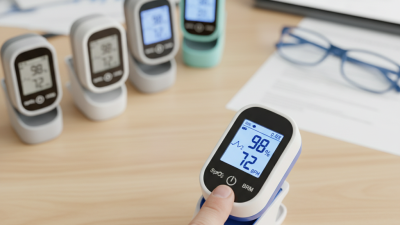
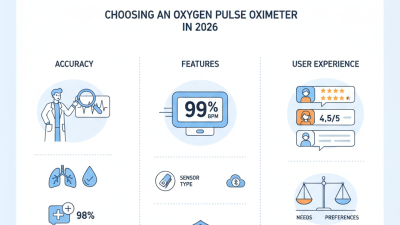
5 Best Braun Pulse Oximeters for Home Use
Choosing a Braun Pulse Oximeter for home use is about more than reading a number. A clear screen, comfortable fit, and simple controls can make routine checks easier, especially when someone is unwell or tracking a clinician’s advice. Small details matter. A bright display helps in a dim bedroom, while a steady hand can help the device capture a reading.
This guide compares five Braun pulse oximeters and highlights practical differences to consider, such as display design, ease of use, and suitability for different users. Product features can vary by model and market, so check the manufacturer’s current specifications before buying. That sounds straightforward, but choosing the right device still takes judgment.
A fingertip oximeter estimates blood oxygen saturation and pulse rate; it does not diagnose a condition. Cold fingers, movement, poor circulation, and other factors may affect a result. Readings can also differ from a person’s actual oxygen level, so one number should not replace medical advice. Follow the device instructions, repeat an unexpected reading after resting, and contact a healthcare professional if symptoms concern you. These monitors are useful tools, not perfect ones.
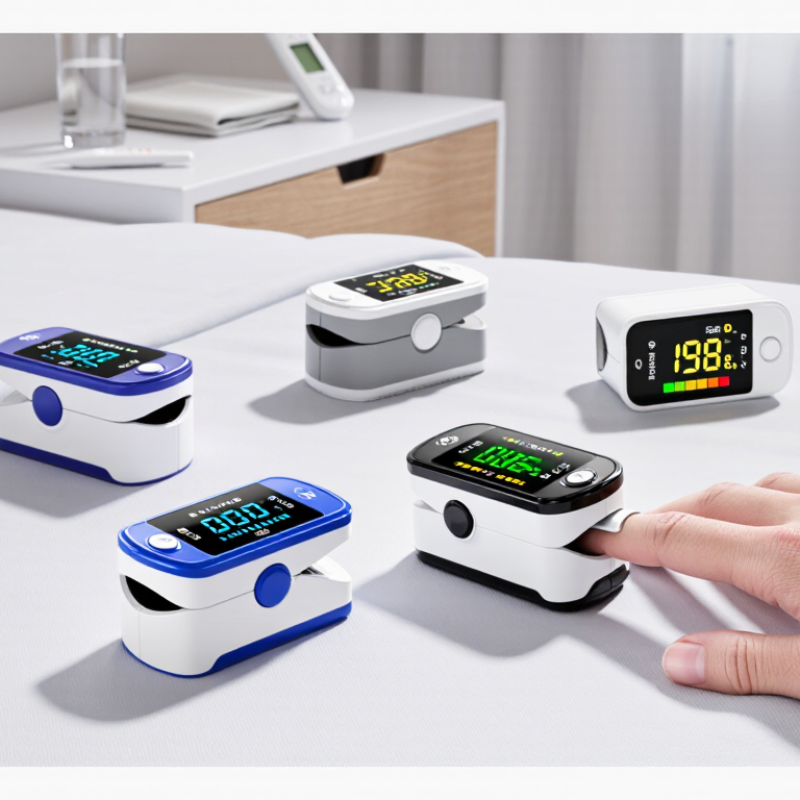
Pulse Oximeter Basics: How SpO₂ and Pulse Rate Are Measured
A fingertip pulse oximeter estimates oxygen saturation (SpO₂) and pulse rate without a blood draw. It sends red and infrared light through the finger, then detects how much light reaches its sensor. Oxygen-rich and oxygen-poor hemoglobin absorb these wavelengths differently. The device uses this pattern to estimate the percentage of hemoglobin carrying oxygen. It is an estimate, not a direct view of the lungs.
Pulse rate comes from tiny changes in blood volume with each heartbeat. The sensor detects this pulsing signal and displays beats per minute. Keep still, warm your hand, and place your finger fully inside the clip. Wait for the numbers to settle. A cold fingertip, movement, dark nail polish, or poor circulation can interfere. A tidy screen can still mislead.
Readings may vary between fingers and over time. Check the device instructions and look for a steady result rather than reacting to one brief dip. A home oximeter cannot explain why oxygen is low or confirm a diagnosis. Symptoms matter too: worsening breathlessness, blue lips, confusion, or chest pain need prompt medical attention, regardless of one reassuring number. If readings stay unusual, contact a healthcare professional and share the values, timing, and symptoms. That context is more useful than a number alone.
FDA’s 70–100% SpO₂ Test Range: Understanding Accuracy Claims
Pulse oximeters are often described as accurate across a 70–100% oxygen saturation range. That figure usually reflects controlled testing, not a promise that every home reading will match a blood test. Accuracy is commonly reported as an average error across test readings. It does not mean each result is within the same margin.
Below 70%, many devices have limited validation data, so readings may be less dependable. Even within the stated range, movement, cold fingers, poor circulation, and dark nail polish can affect results. Skin pigmentation may also influence accuracy for some devices. Small details matter.
For a steadier reading, warm your hand, sit still, and remove polish if practical. Place the sensor securely, then wait for the number to settle. A single result can mislead. Repeat it after a few minutes and compare it with how you feel. If the display seems inconsistent, check the device instructions and contact a healthcare professional rather than relying on one number. A normal-looking reading cannot rule out illness, especially when breathing feels difficult or symptoms are worsening. Home measurements are useful clues, not a diagnosis. It is worth remembering that.
5 Best Pulse Oximeters for Home Use — FDA’s 70–100% SpO₂ Test Range: Understanding Accuracy Claims
| What to Check |
Evidence-Based Detail |
What It Means for Home Users |
| 1. Intended use and clearance |
Check the device’s labeling and regulatory status. FDA-cleared medical pulse oximeters and general-wellness devices may have different intended uses. |
Choose a device appropriate to your needs. A consumer wellness device should not be assumed to diagnose or monitor a medical condition. |
| 2. The 70–100% test range |
FDA performance testing guidance for medical pulse oximeters evaluates accuracy against arterial oxygen saturation (SaO₂), typically across a 70–100% SaO₂ range. |
This describes a testing range—not a promise that every reading is accurate throughout that range, or that readings below 70% are reliable. |
| 3. Understanding the accuracy metric |
Accuracy is commonly reported as ARMS, a statistical measure of the difference between pulse-oximeter readings (SpO₂) and reference SaO₂ measurements. FDA guidance has commonly cited an ARMS acceptance criterion of 3% or less for prescription devices. |
ARMS is not a guaranteed maximum error for each individual reading. Confirm which device type and test conditions an accuracy claim applies to. |
| 4. Factors that can affect readings |
Readings may be affected by movement, poor circulation, skin temperature, skin pigmentation, skin thickness, tobacco use, and nail polish or artificial nails. |
Use the device as directed, keep your hand still and warm, and follow the manufacturer’s instructions about nail coverings. A single reading may not tell the whole story. |
| 5. What the number can—and cannot—tell you |
A pulse oximeter estimates blood oxygen saturation (SpO₂) and usually displays pulse rate. It does not directly measure oxygen in the blood or provide a diagnosis. |
Consider symptoms and trends, not just one result. Seek medical advice for concerning symptoms or readings, and follow your clinician’s guidance. |
Important: This comparison explains accuracy claims and selection considerations; it does not rank or validate specific products. Do not delay medical care because of a reassuring pulse-oximeter reading.
Choosing a Braun Oximeter for Different Ages and Home-Use Needs
Age matters when choosing a fingertip oximeter for home use. An adult-sized clip may sit loosely on a child’s small finger, giving an unstable reading. Check the stated age range and fit guidance before buying. For younger children, use a device designed and validated for their size; a standard adult model may not be suitable. Small details count. A cold hand, movement, or dark nail polish can also affect results, so warm the fingers and keep the hand still during a reading.
For older adults, look for a clear screen with large numbers and simple controls. A bright display can be easier to read beside a dim bedroom lamp. A steady signal indicator may help caregivers notice when a reading is still settling. Comfort matters too: a clip that pinches can make repeated checks unpleasant. I would not assume that extra features automatically improve accuracy; ease of use is often more useful at home.
Use the reading as one piece of information, not a diagnosis. Follow the instructions, wait for a stable number, and note symptoms and readings together. There are limits. Consumer devices can be less reliable with poor circulation, movement, or certain skin tones. If a result seems unexpected, repeat it after resting and check the device placement. Seek medical advice for concerning symptoms, even when the displayed number looks reassuring.
Home Reading Safety: WHO Classifies SpO₂ Below 90% as Severe Hypoxemia
At home, an oxygen reading is a clue, not a diagnosis. WHO guidance classifies an SpO₂ below 90% as severe hypoxemia. That level needs urgent medical attention, especially with breathlessness, blue lips, confusion, or unusual sleepiness. Do not wait for repeated readings if someone is struggling to breathe. Severe symptoms matter. A number cannot tell the whole story.
For a steadier check, sit quietly and warm your hand before placing the sensor on a finger. Keep still, and wait for the display to settle. Cold skin, movement, nail polish, and poor circulation can affect results. If a reading is below 90%, check once more after correcting obvious issues, but contact emergency or urgent medical services promptly. Don’t let a better repeat reading dismiss worrying symptoms. It’s easy to trust a crisp digital number too much; home devices have limits, and personal medical conditions may change what a safe reading means. Follow a clinician’s advice for your situation.