What Is the Best Pulse Ox Machine in 2026?
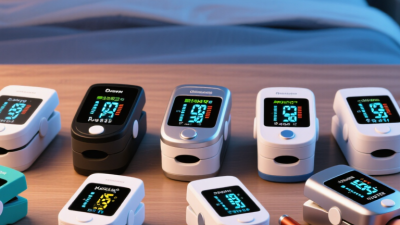
Choosing the best Pulse Ox Machine in 2026 is not simply a matter of picking the device with the brightest screen. A useful comparison looks at reading consistency, display clarity, comfort, build quality, and how easily results can be reviewed. Some models offer app connectivity or extra measurements, but added features matter only when they are reliable and easy to understand. Simple can be better.
A fingertip sensor can be affected by cold hands, movement, nail polish, or poor circulation. That detail matters. A single reading should not be treated as a diagnosis, and symptoms deserve more attention than a reassuring number on a screen. For this guide, we’ll consider what manufacturers disclose, how devices are designed for everyday use, and which practical features may suit different users. We’ll also separate useful specifications from claims that are difficult to verify. No monitor is perfect. The best choice depends on who will use it, how often, and whether the display can be read comfortably without guesswork. Before buying, check the product instructions, intended use, warranty, and any relevant regulatory information. If readings seem unusual or concerning, consult a qualified healthcare professional rather than relying on repeated home measurements alone.
How Pulse Oximeters Measure Blood Oxygen and Pulse Rate
What Is the Best Pulse Ox Machine in 2026?
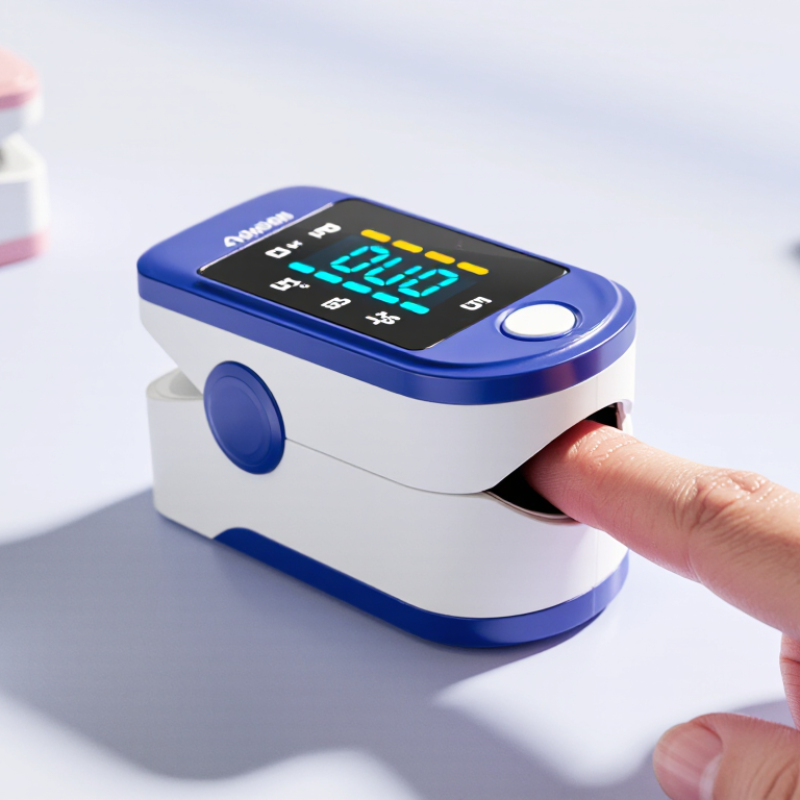
A fingertip pulse oximeter shines red and infrared light through a small section of tissue. A sensor on the other side detects how much light returns. Oxygen-rich and oxygen-poor blood absorb these wavelengths differently, so the device estimates oxygen saturation, shown as SpO2. It does not draw blood or measure oxygen directly. Light goes in. A number appears.
The device also estimates pulse rate by tracking tiny changes in blood volume with each heartbeat. Keep your hand still and warm, then wait for the display to settle. A cold finger, movement, poor circulation, or some nail products can affect the reading. Skin pigmentation may also influence accuracy in some devices. That distinction is easy to forget: a steady-looking number is not automatically a perfect one.
For a more useful reading, sit quietly and place the sensor fully over a finger, with your hand supported. Check the device instructions, and consider repeating an unexpected result after warming your hand. Pulse oximeters can help track information, but they cannot explain why a reading is unusual. Symptoms matter too.
If you feel seriously unwell, seek medical advice rather than relying on one number. I would not treat a home reading as a diagnosis.
Key Features That Affect Pulse Oximeter Accuracy
A pulse oximeter is only as dependable as its sensor fit, signal quality, and validation. The probe should sit snugly without pinching, with the finger still and fully inserted. Fit matters. Cold hands and poor circulation can weaken the signal, causing unstable readings. Warm the hand gently, remove dark nail polish when possible, and wait for the number to settle. Don’t rush.
Accuracy also depends on movement, finger size, and the device’s design. Shivering or talking can disrupt the reading. Research has found that some pulse oximeters may overestimate oxygen levels in people with darker skin, particularly when levels are low; performance varies by device. That limitation matters. A screen showing several stable readings is more useful than one flashing number, but it still cannot guarantee accuracy.
When comparing devices, look for documented clinical validation, clear instructions, a readable display, and a signal-quality indicator. A low price or extra features do not prove better accuracy. Use the same finger and similar conditions when tracking readings. I would recheck an unexpected result rather than trust it blindly; even careful users can get a misleading number. If symptoms are concerning, seek medical advice instead of relying on the device alone.
What Is the Best Pulse Ox Machine in 2026? — Key Features That Affect Pulse Oximeter Accuracy
There is no single best pulse oximeter for everyone. Accuracy depends on the device, the person, and how the measurement is taken. Use this comparison to evaluate features; it is not a ranking of specific products.
| Feature | What to look for | How it can affect accuracy | Practical check |
|---|---|---|---|
| Documented accuracy | Clear performance information for SpO₂ and pulse rate, including the tested measurement range and conditions. | An accuracy figure applies to specified testing conditions and is not a guarantee that every reading will be within that amount. | Review the device documentation. If accuracy is reported as Arms, note that it describes average performance in testing, not the maximum error for an individual reading. |
| Clinical validation | Evidence that the device has been evaluated using an appropriate clinical method for its intended use. | Validation provides more useful evidence than a feature list alone, but results may not apply to every user or situation. | Check whether the validation information identifies the population, measurement range, and intended setting. |
| Intended use | A device type suited to the setting: home spot checks, continuous monitoring, or clinical use. | A spot-check fingertip device is not automatically suitable for continuous monitoring or making treatment decisions. | Match the labeled intended use to your needs, and follow a clinician’s advice for ongoing monitoring. |
| Motion handling | Instructions or performance information describing use when the user is moving. | Movement can interfere with the light signal and cause unstable, delayed, or incorrect readings. | For a spot check, sit still and keep the hand relaxed. Do not assume a motion-tolerant feature removes all motion-related error. |
| Low-perfusion performance | Information about operation when blood flow at the finger is reduced. | Cold hands, poor circulation, or a weak pulse signal can make a reading difficult to obtain or less dependable. | Warm the hand gently, keep it still, and wait for a stable reading. Follow the device instructions if it cannot detect a reliable signal. |
| Sensor fit and placement | A sensor size and shape that fit the intended finger and clear placement instructions. | Loose, misaligned, or obstructed sensors can reduce signal quality. Nail products and artificial nails may also affect some measurements. | Place the sensor as instructed, keep the finger comfortably inside it, and remove nail polish if readings seem inconsistent and removal is practical. |
| Skin pigmentation considerations | Transparent information about known limitations and performance across different skin tones. | Studies have found that pulse oximeters can sometimes overestimate oxygen saturation, with a risk of occult hypoxemia reported more often in people with darker skin pigmentation. | Do not rely on a number alone when symptoms or clinical concerns are present. Discuss persistent concerns with a healthcare professional. |
| Signal-quality indicators | A clear indicator for a weak or unstable signal, such as a signal-strength display or an error message. | A displayed number may be less useful when the underlying pulse signal is poor or fluctuating. | Wait for a stable reading and pulse display. Repeat the measurement if the device indicates a weak signal. |
| Averaging and response time | Documented averaging behavior and a display that updates appropriately for the intended use. | Longer averaging can smooth brief fluctuations but may make changes appear later; shorter averaging can show more variation. | Follow the stated measurement procedure and allow enough time for the reading to stabilize rather than reacting to a single changing value. |
| Fit for the intended user | Instructions that specify suitable age, finger size, and any user groups for which the device is or is not intended. | A sensor designed for an adult finger may not fit or perform as intended on a child or a very small finger. | Check the stated user and size requirements before purchase; do not assume an adult fingertip model is suitable for children. |
| Readability and usability | A display that is easy to read, straightforward controls, and understandable instructions. | Clear presentation can reduce mistakes in reading or recording results, though it does not by itself improve the sensor’s measurement accuracy. | Check that the display is legible in your usual lighting and that SpO₂ and pulse rate are clearly distinguished. |
| Alarms and connectivity | Features appropriate to the use case, with clear limits and instructions for any alerts or data sharing. | An alarm or app cannot confirm that a reading is correct; connectivity features do not replace clinical assessment. | For monitoring that requires alerts or stored records, confirm how the feature works and who is expected to respond. |
Types of Pulse Oximeters Available in 2026
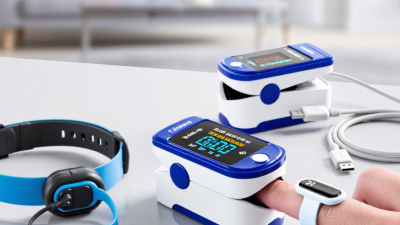
Pulse oximeters come in several forms, each suited to a different setting. Fingertip models clip onto a finger and display oxygen saturation and pulse rate within seconds. Handheld units connect to reusable or disposable probes, making them practical for clinics and home-care visits. Wrist-worn models pair a sensor with overnight recording, while infant and pediatric versions use smaller, carefully fitted probes. For continuous bedside monitoring, hospital systems track readings over time and can trigger alerts. Convenient does not always mean suitable for every patient.
The FDA’s 2013 guidance for pulse oximeter submissions describes accuracy testing against arterial blood samples across oxygen-saturation ranges. That is a testing benchmark, not a promise that every reading is exact. In a 2020 New England Journal of Medicine study, occult hypoxemia occurred in 11.7% of measurements from Black patients, compared with 3.6% from White patients in one ICU cohort. The finding highlights a real limitation, not a diagnosis. Cold fingers, movement, poor circulation, and skin pigmentation can affect readings, as the FDA has also cautioned. A steady display can still be wrong. Check the device instructions, warm the hand, and repeat an unexpected result; symptoms need clinical attention, not just another gadget reading.
How to Compare Pulse Oximeter Models and Brands
A useful pulse oximeter is not simply the one with the most features. Compare each model’s stated accuracy range, intended use, and testing information. Look for clear instructions on finger placement, measurement time, and conditions that can affect results. Fit matters. A loose clip, cold hands, movement, nail polish, or poor circulation can make readings less reliable. Check whether the display is easy to read in dim light and whether it shows a pulse signal, not just a number. Small details matter during a rushed check.
Consider how the device handles different users and real-world conditions. Research has found that pulse oximeter accuracy can vary with skin pigmentation, so review available performance data and discuss concerns with a healthcare professional. Compare battery life, cleaning guidance, warranty terms, and the availability of a written manual. Read the fine print. A low price may be reasonable, but unclear specifications make comparisons harder. At home, take a reading with a warm, still hand and wait for the number to stabilize. One odd result can happen; repeated unusual readings deserve attention. A pulse oximeter estimates oxygen saturation and does not explain why it may be low, or replace medical advice.
Choosing and Using a Pulse Oximeter Safely
What Is the Best Pulse Ox Machine in 2026?
Choosing and Using a Pulse Oximeter Safely
The best pulse oximeter is one that fits comfortably, displays results clearly, and has been tested for home use. A fingertip model is convenient, but no device is perfect. Cold fingers, movement, poor circulation, nail polish, and skin tone can affect readings. Treat the number as an estimate, not a diagnosis. One reading can be misleading.
For a steadier check, rest quietly for five minutes and warm your hand. Remove dark polish if practical, then place the sensor on a finger and keep your hand still near heart level. Wait until the numbers stop changing, and repeat the measurement if it seems unexpected. Record the reading and time, and follow your clinician’s advice about what range matters for you. Fit matters. A reading should never outweigh symptoms such as severe breathlessness, chest pain, confusion, or bluish lips; seek urgent medical help if these occur.
Tips: Check the device instructions, and avoid comparing readings taken under different conditions. If results repeatedly concern you, contact a healthcare professional rather than relying on the oximeter alone. I’d be cautious about treating any single number as a clear answer.
Related Posts
-
10 Best Pulse Oximeters for Accurate Readings?
-
Top 10 Pulse Oximeter Manufacturers from China at the 137th Canton Fair
-
Ultimate Checklist for Choosing the Best Oxygen Pulse Oximeter for Your Needs
-
Unlocking the Secrets of Oxygen Saturation Monitors for Healthy Living
-
How to Choose the Best Pulse Oximeter for Your Needs?
-
2026 Top Pulse Ox Monitor Types Which One Is Best?