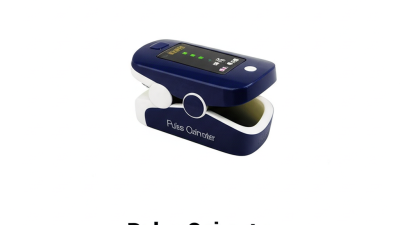
How to Choose the Best Pulse Oximeter for Your Needs?
Choosing the right Pulse Oximeter can significantly impact your health management. These devices measure blood oxygen levels quickly and accurately. With various models available, understanding their features is essential.
Many people use Pulse Oximeters at home or during medical visits. Some devices offer advanced tracking, while others provide basic readings. Quality can vary widely between models. It’s important to prioritize reliable brands.
When considering your options, think about your specific needs. Will you use it frequently? Do you need it for exercise monitoring or medical conditions? Evaluating these factors will help in making an informed choice. Your health deserves the best tools available.
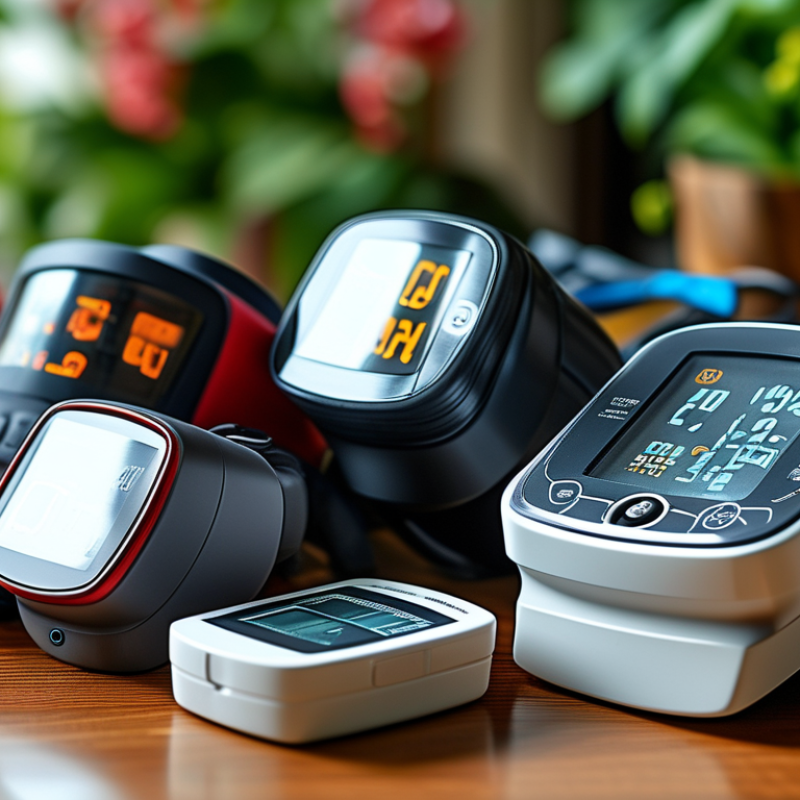
Understanding Pulse Oximeters: What They Are and How They Work
Pulse oximeters are essential medical devices that measure the oxygen saturation in your blood. They work by shining light through your skin, usually on a fingertip, to determine how much oxygen is carried by hemoglobin. Understanding this process is crucial for selecting the right device for personal health needs. Patients with respiratory or cardiac conditions often rely on them for real-time monitoring.
Accuracy of readings is vital but not foolproof. Factors such as nail polish, cold fingers, or poor placement can skew results. Regularly validating the readings with clinical tests helps in understanding the reliability of the device over time. Careful evaluation of pulse oximeters ensures that you make a decision that aligns with your health monitoring goals.
Key Features to Consider When Choosing a Pulse Oximeter
When selecting a pulse oximeter, focus on essential features. Accuracy is crucial; a reliable device should provide consistent readings. Look for a model that offers a quick response time and can read oxygen saturation levels effectively. Ensure it displays both SpO2 and pulse rate clearly, as these metrics are vital for monitoring health.
Comfort is another important factor. A device that fits well on your finger ensures better usability. Some oximeters come with adjustable straps or various sizes, making them suitable for different users. Look for lightweight designs, as heavier devices can be uncomfortable during prolonged use. The build quality also matters; a sturdy device is likely to last longer.
Consider additional features like Bluetooth connectivity or smartphone compatibility. These additions can facilitate data tracking and sharing with healthcare professionals. A backlit display can enhance readability in low-light conditions. While these features may not be necessary for everyone, they can add significant value for specific needs. Evaluating your personal requirements can guide your decision-making process.
Pulse Oximeter Features Comparison
Types of Pulse Oximeters: Finger, Handheld, and More
When selecting a pulse oximeter, understanding the types available can greatly enhance your decision. Finger pulse oximeters are the most common. They are portable and easy to use. You simply clip them on your fingertip. These devices provide quick readings and are suitable for home use. They work well for adults and children alike. However, they may not always be accurate if a person has poor circulation or is cold.
Handheld pulse oximeters offer another option. They are larger but often provide more features. These devices can measure blood oxygen levels and pulse rates over a larger area. They may come with advanced settings for medical professionals. While they are valuable in clinical settings, they might not be as convenient for everyday use. Plus, you may need more training to operate them effectively.
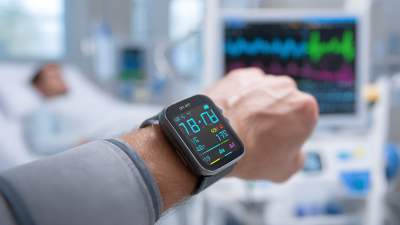
Various other types exist, such as wrist and forehead oximeters. These may suit specific situations or preferences. However, they might not always deliver the same accuracy. It's crucial to consider what is necessary for your needs. A device that is convenient may lack precision. Balancing functionality with usability will help in finding the right pulse oximeter for you.
How to Choose the Best Pulse Oximeter for Your Needs?
| Type of Pulse Oximeter | Accuracy | Features | Ideal For |
|---|---|---|---|
| Finger Pulse Oximeter | ± 2% SpO2 | Compact design, easy to use, battery-operated | Home use, sports enthusiasts |
| Handheld Pulse Oximeter | ± 1% SpO2 | Advanced display, multiple measurement modes | Clinical settings, medical professionals |
| Wrist Pulse Oximeter | ± 2% SpO2 | Convenient for continuous monitoring | Patients with chronic conditions |
| Portable Desktop Oximeter | ± 1% SpO2 | Large screen, data storage capability | Doctors, outpatient settings |
Evaluating Accuracy and Reliability in Pulse Oximeter Technology
When choosing a pulse oximeter, accuracy is paramount. Look for devices that use advanced sensors. They should provide reliable readings under various conditions. It’s essential to understand that factors like skin pigmentation and nail polish can affect results. A device might work perfectly for some but not others. Thus, consider your personal situation when making a choice.
Reliability in pulse oximeters is equally important. Research shows that not all devices meet medical-grade standards. A good pulse oximeter should have been tested thoroughly. Check for user reviews from trusted sources. However, remember that even high-rated devices can sometimes give inconsistent readings. Frequent calibration may be necessary to maintain accuracy.
In your search, keep in mind that personal experiences vary. You may hear stories of users having issues with specific models. Reflect on these accounts as they can guide you toward better options. Ultimately, knowing what works best for you requires careful consideration and some trial and error.
Budget Considerations: Finding a Pulse Oximeter That Fits Your Needs
When choosing a pulse oximeter, budget plays a crucial role. Many features can drive up the price. However, it’s essential to balance cost and functionality. While it might be tempting to select the cheapest option, consider the long-term benefits. A durable device can save you money over time.
Look for devices that offer essential features like accurate readings and user-friendly displays. Some budget oximeters may lack advanced capabilities, such as Bluetooth connectivity or data tracking. Weigh what you truly need against what you are willing to spend. Sometimes, a mid-range option can provide better reliability without breaking the bank.
Think about how you'll use your pulse oximeter. If you need it for occasional checks, a basic model may suffice. However, frequent users might require extra features. This consideration can guide your spending decision. It’s important to reflect on the purpose behind your purchase. Ultimately, a good pulse oximeter is an investment in your health.
Related Posts
-
Top 10 Pulse Oximeter Manufacturers from China at the 137th Canton Fair
-
Top 10 Reasons to Choose a Professional Pulse Oximeter Today?
-
Essential Checklist for Choosing the Right Professional Pulse Oximeter
-
Top 5 Medical Pulse Oximeters for Accurate Health Monitoring?
-
Unlocking the Secrets of Oxygen Saturation Monitors for Healthy Living
-

Global Innovations in Pulse Ox Machines: What to Expect by 2025