Top 5 Medical Pulse Oximeters for Accurate Health Monitoring?
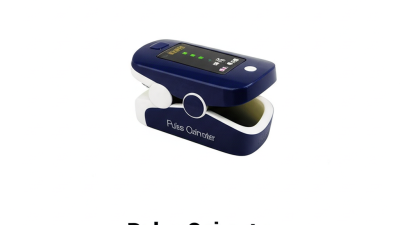
In recent years, the importance of health monitoring has surged. Accurate measurements play a vital role in disease management and overall wellness. A key tool in this effort is the Medical Pulse Oximeter. This device measures blood oxygen saturation, providing essential data for patients with respiratory conditions.
According to the American Lung Association, nearly 30 million Americans suffer from chronic lung diseases. Regular oxygen level monitoring can be critical for these individuals. In fact, studies show that timely interventions can reduce hospital admissions by 25%. Moreover, with the rise of telehealth, home monitoring tools, such as Medical Pulse Oximeters, have gained widespread acceptance.
However, not all pulse oximeters are created equal. Some models show inconsistent readings, leading to potential misinterpretations. Users must carefully choose devices backed by clinical validation. Reliable brands often meet rigorous industry standards and demonstrate accuracy through extensive testing. Therefore, understanding the best options available is essential for meaningful health monitoring outcomes.
Understanding Pulse Oximeters: Importance in Health Monitoring
Understanding pulse oximeters is essential for effective health monitoring. These devices measure the oxygen saturation in your blood. They provide quick and non-invasive readings. This is crucial for patients with respiratory issues. Low oxygen levels can lead to serious complications. Regular monitoring can help detect problems early.
Using a pulse oximeter offers numerous benefits. It's straightforward to use, making it accessible for everyone. Many people can use this device at home. However, accuracy is vital. Poorly calibrated devices can give misleading readings. It is important to reference medical guidance and ensure proper usage. Some factors, like nail polish or cold fingers, can affect results.
Patients should remain aware of their readings. If levels are consistently low, seek medical advice. Preventing issues requires proactive measures. Relying solely on these devices can be limiting. It's important to combine data with other health assessments. Simple devices can empower patients but should not replace professional care. Maintaining awareness of one's health fosters a more proactive approach to wellness.
Key Features to Consider When Choosing a Medical Pulse Oximeter
When selecting a medical pulse oximeter, accuracy and reliability are paramount. Research indicates that devices used in clinical settings often show deviations in readings. For instance, a 2021 study published in the Journal of Clinical Monitoring reported an accuracy rate of only 84% in some consumer-grade devices. This discrepancy highlights the importance of choosing a device that meets clinical standards.
Consider the sensor technology utilized in the pulse oximeter. Some models use advanced algorithms to filter out interference from external light and movement. Look for devices that boast robust performance in varying conditions. Additionally, battery life is crucial. Many top-performing pulse oximeters offer 30 hours of continuous monitoring on a single charge. A weak battery might lead to compromised data during essential health monitoring.
Finally, ensure that the device is user-friendly. A screen that displays clear, easy-to-read information can enhance user experience. Some advanced models even offer smartphone compatibility for data tracking. While high functionality is vital, ensure the device fits comfortably and securely on the finger or earlobe. Remember, comfort aids compliance, and that is essential for effective monitoring.
Top 5 Recommended Pulse Oximeters for Accuracy and Reliability
When it comes to health monitoring, pulse oximeters are essential. These devices measure blood oxygen levels and pulse rates. They provide critical information about respiratory function. Accuracy is crucial, especially for individuals with respiratory conditions.
Several features make a pulse oximeter reliable. Look for easy-to-read displays and quick response times. Some models offer additional features like alarms for low readings. These extra functions can provide peace of mind. However, not all devices perform equally. Calibration issues can lead to misleading readings. Finding a dependable option is key.
Choosing the right pulse oximeter can be challenging. Many consumers feel overwhelmed by the choices. It’s important to consider user reviews and expert evaluations. The best options typically have strong warranties and good customer support. Reliability should outweigh brand popularity. Always prioritize health and accuracy in your selection.
Top 5 Recommended Pulse Oximeters for Accuracy and Reliability
| Model |
Accuracy (%) |
Features |
Battery Life (Hours) |
| Model A |
±2% |
LED Display, Lightweight, Auto Shut-off |
30 |
| Model B |
±1.5% |
Bluetooth Connectivity, Alarm, Portable |
20 |
| Model C |
±2% |
Large Screen, User-friendly, Adjustable Brightness |
25 |
| Model D |
±1% |
Rechargeable Battery, Compact, Rapid Response |
15 |
| Model E |
±2% |
Portable Design, Easy to Use, Data Logging |
40 |
Comparative Analysis of the Best Pulse Oximeters on the Market
When it comes to health tracking, pulse oximeters have become essential. These devices measure blood oxygen saturation, providing crucial data for individuals concerned about respiratory health. In recent years, their accuracy has improved significantly, leading to an influx of options in the market.
Different models vary in features, such as display, battery life, and response time. Some offer additional metrics, like heart rate variability, which can provide deeper insights. It's vital to choose a pulse oximeter that not only fits your needs but also adheres to medical standards. Look for testimonials and certifications to gauge reliability. While many devices claim precision, user experiences reveal variations in accuracy that might raise questions.
Budget considerations often influence choices. However, investing in a quality device can pay off in peace of mind. Reflect on your monitoring needs, as well as the device’s usability. Some models may appear user-friendly but can be challenging for certain demographics, such as the elderly. Thus, engaging with multiple sources of information can enhance your understanding and inform a better decision.
User Reviews and Testimonials: Real-World Performance Insights
When choosing a medical pulse oximeter, user experiences matter. Many users report that accuracy is crucial for monitoring health conditions. They recommend devices with quick readings and easy-to-read displays. Some users mention frustrations with models that struggle in low-light conditions or on darker skin tones. A reliable oximeter should work well for everyone.
A common theme in testimonials is comfort during use. Several users highlight the importance of a snug yet gentle fit. They appreciate models that don’t squeeze too tightly, especially for prolonged use. On the flip side, some customers express dissatisfaction with devices that felt bulky or uncomfortable. It’s essential to find a balance between size and functionality for effective monitoring.
Real-world performance often includes battery life and durability. Many reviewers emphasize their preference for long-lasting batteries. Users also share concerns about wear and tear. Some devices may function well initially but have durability issues over time. The best choices include those with positive feedback on both performance and longevity. This insight helps others make informed purchasing decisions.