7 Best Syringe Pumps for Hospitals and Labs
Syringe Pumps help hospital and laboratory teams deliver fluids at controlled rates through a syringe. Their performance can affect workflow, sample consistency, and patient care. Choosing a model, however, is rarely as simple as comparing flow ranges. Users also need to consider syringe compatibility, programming options, alarm visibility, battery life, cleaning requirements, and the support available after purchase.
This guide introduces seven syringe pumps suited to different clinical and laboratory settings. It highlights practical features to compare, including delivery modes, mounting flexibility, display design, and safeguards against common setup errors. A pump that works well for one department may not fit another’s protocols, workload, or equipment. Small details matter. So does the local validation process. Specifications and availability can change, and published performance figures should be checked against current manufacturer documentation before procurement. This overview is intended to support evaluation, not replace institutional review or clinical judgment.
No single model is best for every use. The right choice depends on the intended application, staff training, compatible consumables, and maintenance resources. Even a feature-rich device may create friction if its interface is difficult to use during a busy shift. That point is easy to overlook. The selections that follow offer a starting point for comparison, with attention to clear criteria rather than a claim of universal superiority.
Understanding Syringe Pumps and Their Uses
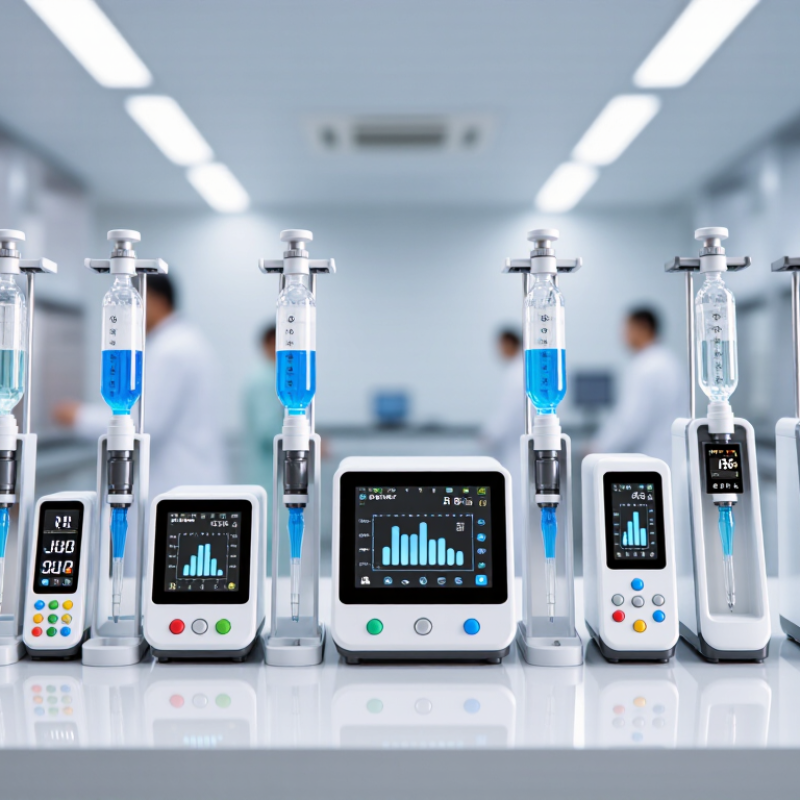
A syringe pump moves fluid by advancing a syringe plunger at a controlled rate. Its drive mechanism, syringe holder, and settings work together to deliver small, measured volumes. Unlike a general-purpose infusion pump, it is often chosen when precise flow from a small syringe is important. Small details matter. Syringe size, plunger fit, tubing, and fluid properties can all affect delivery.
In hospitals, trained staff may use syringe pumps to administer prescribed medicines or fluids when a steady, low-volume infusion is needed. They check the programmed rate and volume against the care plan, secure the syringe, and confirm that the line is connected correctly. Occlusions, air in the line, and incorrect setup can interrupt delivery. An alarm helps identify some problems, but it does not replace regular observation or clinical judgment.
Laboratories use these pumps to dispense reagents, feed fluids into instruments, or maintain a consistent flow during experiments. A stable rate can improve repeatability, though it cannot correct poor technique or unsuitable equipment. Not always. Different syringe sizes and fluids may behave differently, so staff should follow the pump’s instructions and validate settings for the task. It is easy to assume that a precise display guarantees a precise result; in practice, setup and monitoring still matter.
Key Criteria for Choosing a Hospital or Laboratory Pump
A hospital or laboratory syringe pump should match the work it will actually perform.
Start with the required flow-rate range, dose volume, and delivery duration. Check that the pump supports the syringe sizes used in your setting, not just one convenient size. At very low rates, small mechanical differences can affect delivery, so review published accuracy data across the operating range. Ask how performance is verified and how often calibration or preventive maintenance is needed.
Small details matter.
Alarms should be visible and audible in the rooms where the pump will run. Test occlusion alerts, empty-syringe warnings, and battery backup during realistic workflows. Staff should be able to load a syringe, confirm settings, and respond to an alarm without searching through several screens. Cleaning requirements matter, too: look for surfaces that tolerate approved disinfectants and seams that do not trap residue. Check documentation, service access, training, and replacement-part availability before purchase. A polished display can still hide awkward setup steps.
Test it locally.
One point deserves a second look: a pump that works well on a bench may feel different beside a crowded bedside or shared lab workspace. Include the people who will operate and maintain it in the evaluation.
Seven Syringe Pumps for Hospitals and Laboratories
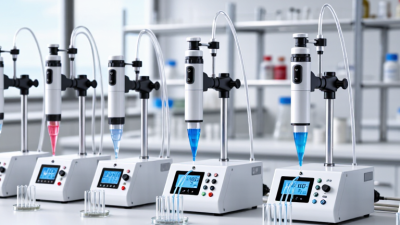
A useful seven-pump shortlist should reflect the work, not just the device specifications: single-channel clinical pumps for routine delivery, dual-channel units for separate lines, patient-controlled analgesia pumps for supervised pain care, microinfusion pumps for very small volumes, programmable pumps for repeatable protocols, infusion-and-withdrawal pumps for laboratory procedures, and low-pulsation research pumps for sensitive samples. These are functional categories, not universal rankings. Check delivery accuracy, flow range, alarm visibility, syringe compatibility, cleaning needs, and whether settings are easy to verify at the bedside or bench. Small volumes matter.
Safety deserves equal weight. The U.S. Food and Drug Administration’s 2010 Infusion Pump Improvement Initiative reported more than 56,000 adverse-event reports and 87 recalls involving infusion pumps from 2005 to 2009. Those figures cover infusion pumps broadly, not syringe pumps alone, but they show why usability and maintenance belong in any purchasing review. A pump that fits the protocol on paper may still be awkward with gloves or hard to inspect between runs. That gap is worth testing.
Tips: Trial shortlisted units with the actual syringe sizes, tubing, and flow rates your team uses. Watch a full setup, alarm response, and cleaning cycle. Record any steps staff find unclear; small workflow problems are easy to overlook in a demonstration.
Comparing Features, Performance, and Applications
A useful comparison of syringe pumps starts with the work they must perform. Hospital teams may value clear displays, quick setup, secure syringe loading, and alarms that are easy to hear in a busy ward. Laboratory users often need finer rate control, stable delivery over long runs, and compatibility with small-volume syringes. A broad rate range looks impressive, but performance at the intended syringe size matters more.
Check how each pump handles occlusion alerts, battery operation, and saved settings. These features affect daily use, not just specifications. A portable unit can help during patient transfers, while a multi-channel system may suit experiments requiring parallel delivery. More channels also mean more setup and monitoring. Small details matter. Inspect the syringe clamp and read the screen from normal working distance.
Accuracy claims should be considered alongside testing conditions and the manufacturer’s stated syringe compatibility. Confirm that local procedures cover setup, cleaning, calibration checks, and staff training. A pump that performs well on a bench may feel awkward beside a crowded bed or inside a lab enclosure. Not always. No single ranking fits every department; the best choice depends on dose range, workflow, and maintenance support. A short trial with the syringes and tubing used in practice can reveal problems that a specification sheet misses.
Calibration, Maintenance, and Safe Operation
A syringe pump’s displayed rate is not proof of delivered accuracy. Calibration should compare its output with a traceable reference, using the syringe size and setup specified in the procedure. Check more than one rate when the protocol requires it. Record the measured values, equipment identification, date, and any adjustment. Small differences matter.
Maintenance starts with a quick inspection. Look for cracks, residue, loose clamps, damaged cables, and a plunger that does not move smoothly. Clean the device using approved materials, and keep liquids away from openings. Follow the facility’s service schedule and document repairs. In a busy lab, checks can be postponed; that is a real weakness, not a reason to skip the record.
Before use, confirm the syringe is seated securely and the tubing is connected as intended. Enter the prescribed rate and volume, then compare the screen with the written order or protocol. Set appropriate alarms, and do not silence an alarm without investigating it. Keep the pump stable and visible during operation. If calibration is overdue, an alarm behaves unexpectedly, or delivery seems inconsistent, stop and follow local escalation procedures. A second check helps.