

Top 10 ECG Machine Cost Questions for Global Buyers?
Buying an electrocardiograph for a clinic, hospital, or mobile service requires more than comparing online prices. The real Ecg Machine Cost includes the monitor, electrodes, software, shipping, installation, training, maintenance, and replacement parts. A low quotation may exclude taxes, calibration, warranty support, or compatible accessories.
Global buyers also face practical differences between markets. A twelve-lead ECG machine may cost more when it includes interpretation software, wireless transmission, thermal printing, or cloud connectivity. Local voltage, plug standards, import duties, language settings, and regulatory documentation can change the final budget. In my experience, suppliers who provide clear specifications and itemized quotations are easier to evaluate. Still, even a detailed quote can contain assumptions that deserve closer review.
Look beyond the headline price.
This guide answers ten common ECG Machine Cost questions for international purchasers. It examines purchase prices, leasing, consumables, freight, service contracts, and long-term ownership expenses. It also explains why two machines with similar screens may deliver very different value in daily use. Buyers should verify clinical features, data security, warranty terms, and supplier credentials before making a decision. A hospital procurement manager may focus on workflow and uptime, while a small practice may prioritize portability and affordable repairs. Both choices can be reasonable.
Some estimates remain imperfect. Currency changes, regional taxes, and supplier policies can shift costs quickly. Therefore, the figures should support comparison, not replace professional procurement review. The goal is a dependable, transparent purchasing decision that matches clinical needs, operating conditions, and available resources.

What Determines the Base Cost of an ECG Machine?
The base cost of an ECG machine starts with its clinical configuration, not its outer shell. A three-channel unit usually costs less than a twelve-lead diagnostic system. More leads require additional amplifiers, faster processing, better filters, and stricter testing. A color screen, thermal printer, touchscreen interface, and internal battery also increase the equipment cost. Not just the monitor.
Fortune Business Insights estimated the global ECG devices market at about US$7.3 billion in 2023, with continued growth expected through 2030. That demand encourages wider production, but advanced features still carry a premium. Wireless transmission, cloud connectivity, barcode scanners, and electronic record integration can add software and cybersecurity expenses. The International Electrotechnical Commission’s IEC 60601-2-25 standard also influences testing and design requirements for diagnostic electrocardiographs. Compliance is not free.
Buyers should separate the factory price from the delivered price. Import duties, calibration, installation, staff training, replacement electrodes, and annual service can change the final budget sharply. A 2024 healthcare technology report from ECRI repeatedly emphasizes lifecycle costs, not purchase price alone, when evaluating medical equipment. That gap matters. A low quote may exclude accessories or local technical support. I have seen estimates become unreliable when buyers compare different configurations as if they were identical. The practical question is simple: what is included, and what must be paid later?
Top 10 ECG Machine Cost Questions for Global Buyers? - What Determines the Base Cost of an ECG Machine?
Indicative planning data in USD for global procurement; actual prices vary by configuration, market, order volume, certification, logistics, and supplier terms.
| No. | Buyer Cost Question | Main Cost Driver | Typical Planning Range (USD) | What the Buyer Should Check |
|---|---|---|---|---|
| 1 | What is the base cost of an ECG machine? | Number of channels, print format, display, memory, and intended clinical use. | 3-channel: $500–$1,500 6-channel: $1,000–$3,000 12-channel: $2,000–$6,000 |
Confirm whether the quotation includes electrodes, patient cable, power supply, thermal paper, software, and user documentation. |
| 2 | How much do additional channels affect the price? | More simultaneous leads require higher-performance electronics, processing, display, and printing systems. | Common premium over basic 3-channel units: approximately 30%–200% | Check whether “channel” means simultaneous acquisition, simultaneous display, or only printed lead output. |
| 3 | Do automated interpretation and advanced algorithms increase cost? | Embedded analysis software, rhythm detection, measurement tools, and upgrade licensing. | Software-related premium: approximately $100–$1,500 | Determine whether the software is included permanently or billed as a subscription, activation, or annual renewal. |
| 4 | How do connectivity and data-management features change the price? | USB, Wi-Fi, LAN, DICOM, HL7, cloud connectivity, barcode scanning, and electronic records integration. | Connectivity premium: approximately $150–$2,000 | Ask about integration fees, cybersecurity requirements, supported file formats, and compatibility with the local hospital information system. |
| 5 | What is the cost impact of regulatory and electrical compliance? | Medical-device registration, electrical safety testing, electromagnetic compatibility, and country-specific documentation. | Compliance-related cost: approximately $100–$2,000 per unit or project allocation | Verify required approvals in the destination market and clarify who pays for registration, translation, testing, and import documentation. |
| 6 | How much do accessories and consumables add to the purchase? | Patient cables, reusable or disposable electrodes, thermal paper, trolley, battery, carrying case, and printer supplies. | Initial accessory package: approximately $50–$800 | Calculate recurring costs for electrodes, paper, batteries, and replacement cables over the expected service period. |
| 7 | Does the order quantity affect the unit price? | Production efficiency, packaging, inspection, customization, and negotiated volume discounts. | Typical volume discount: approximately 5%–20% | Request tiered quotations for sample, small-batch, and full-container quantities, including minimum order requirements. |
| 8 | How much can shipping, insurance, and import charges add? | Shipping mode, destination, shipment size, customs duties, brokerage, insurance, and Incoterms. | Logistics and import allowance: approximately 5%–30% of product value | Compare EXW, FOB, CIF, and DDP quotations and confirm whether VAT, customs duty, and last-mile delivery are included. |
| 9 | What warranty and after-sales costs should be included? | Warranty duration, spare parts, remote support, on-site service, calibration, and technician training. | Service allowance: approximately $100–$1,000 per unit annually | Check warranty exclusions, response time, return procedures, calibration intervals, and local service availability. |
| 10 | What is the estimated total cost of ownership? | Purchase price plus accessories, consumables, software, maintenance, training, downtime, and disposal. | Five-year ownership allowance: base price plus approximately 15%–40% | Use a five-year model and include replacement cables, batteries, paper, software renewals, service visits, and expected utilization. |
Related Posts
-
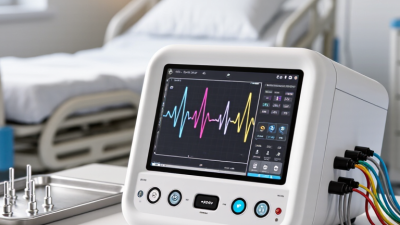
How Much Does an ECG Machine Cost in 2026?
-

2025 Top 5 Ecg Machine Cost Factors You Need to Know
-

Revolutionizing Heart Health with Advanced Ecg Machine Featuring Accurate Interpretation
-

2025 Top 10 Ecg Machine Cost Insights You Need to Know for Optimal Value
-
How to Choose the Best Oxygen Pulse Oximeter in 2026?
-
Finding the Right Manufacturer for Your Pulse Ox Machine Needs