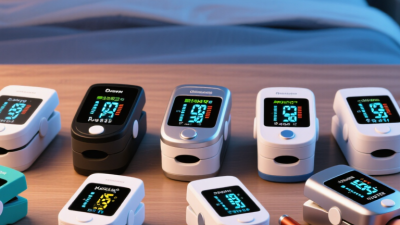
What Is a Pulse Ox Monitor and How Does It Work?

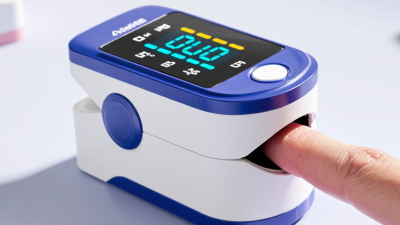
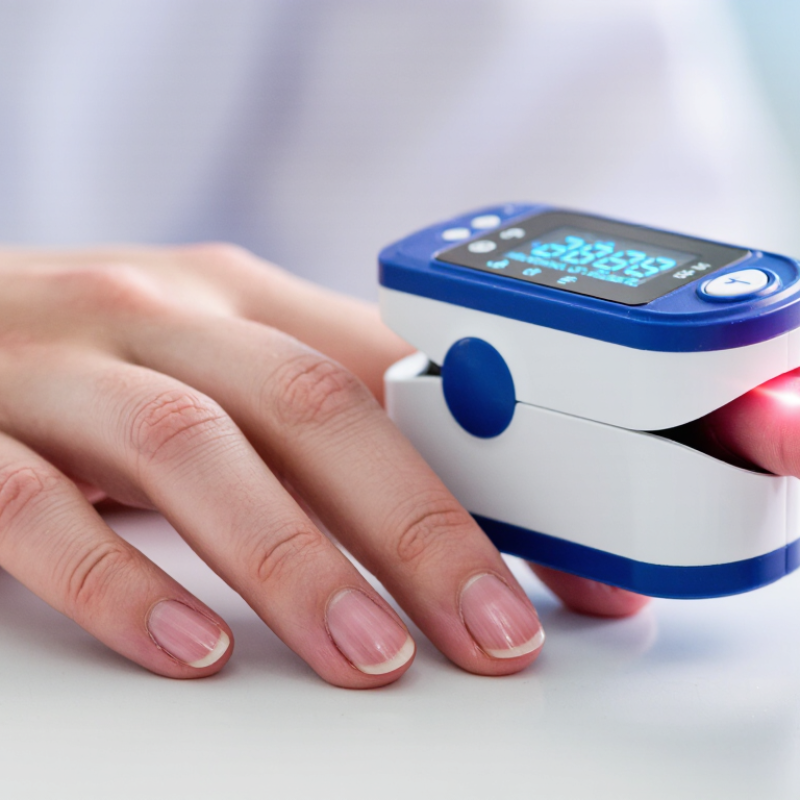
A Pulse Ox Monitor is a small device that clips onto a fingertip and estimates how much oxygen your blood carries. It also displays your pulse rate. The result appears within seconds, often as a bright number on a screen. Convenient, yes—but it is an estimate, not a direct measurement of oxygen in the blood.

Inside the clip, red and infrared light pass through the finger. Oxygen-rich and oxygen-poor blood absorb those lights differently. The monitor analyzes the changing light signal with each heartbeat and calculates an estimated oxygen saturation, often labeled SpO₂. Movement, cold fingers, poor circulation, or nail polish can affect the reading. Small details matter. A single number may not tell the whole story.

Physician-researcher Dr. Michael Sjoding’s work offers an important caution: pulse-oximeter readings can be less reliable for some patients with darker skin. That does not make the device useless. It means the display should be considered alongside symptoms and clinical judgment. For example, a person who is struggling to breathe should not rely on a reassuring screen alone. The Pulse Ox Monitor is a practical tool, but it has limits—and those limits deserve attention. In the sections ahead, we’ll explain how to use one, understand its readings, and recognize when a number may need a second look.
What Is a Pulse Ox Monitor and How Does It Work?

What a Pulse Oximeter Measures

A pulse oximeter estimates blood oxygen saturation, or SpO2, and pulse rate. It clips onto a fingertip and shines red and infrared light through tissue. Oxygen-rich and oxygen-poor blood absorb these wavelengths differently, allowing the device to estimate saturation from the changing light signal. It does not directly measure oxygen in the blood, and it cannot measure carbon dioxide or show how hard someone is breathing. A number is useful, but it is not the whole picture.

Accuracy has limits. The US Food and Drug Administration’s 2021 safety communication notes that poor circulation, cold skin, movement, and skin pigmentation can affect readings. A New England Journal of Medicine study published in 2020 found occult hypoxemia—arterial oxygen saturation below 88% despite a pulse-oximeter reading of 92–96%—in 11.7% of Black patients versus 3.6% of White patients in one cohort. A second cohort showed 17.0% versus 6.2%. These figures came from hospital patients, not a general-population survey, but they matter. If a reading seems reassuring while breathing looks labored, trust the full clinical picture. Fingertips get cold. Readings can drift. Check again with a warm, still hand, and seek medical advice when symptoms persist.

The Main Parts of a Pulse Oximeter

What Is a Pulse Ox Monitor and How Does It Work?

The Main Parts of a Pulse Oximeter

A fingertip pulse oximeter has a sensor clip, light-emitting diodes, a photodiode, a processor, a display, and a power source. Inside the clip, red and infrared LEDs shine through the fingertip. The photodiode on the opposite side detects how much light reaches it. Blood carrying oxygen absorbs these wavelengths differently from blood with less oxygen.

The processor compares changing light signals with each heartbeat, estimates oxygen saturation (SpO2), and calculates pulse rate. The display shows these readings, sometimes alongside a signal-strength indicator. A warm, still finger often gives a steadier reading. Cold hands, movement, or nail polish can interfere. The sensor is clever, but not magic.

The FDA’s 2021 safety communication notes that circulation, skin pigmentation, skin temperature, and other factors may affect accuracy. A 2020 New England Journal of Medicine study found occult hypoxemia in 11.7% of measurements from Black patients, compared with 3.6% from White patients in one cohort. The study defined it as oxygen saturation below 88% despite a pulse-oximeter reading of 92% to 96%. That gap matters. A consumer reading is an estimate, not a direct blood test; symptoms and clinical advice still deserve attention.

How Light Signals Estimate Blood Oxygen

A pulse oximeter shines red and infrared light through a fingertip, then measures how much light reaches its sensor. Oxygen-rich and oxygen-poor hemoglobin absorb these wavelengths differently. The device compares the changing light signal from each heartbeat and estimates the percentage of hemoglobin carrying oxygen, called SpO₂. It does not measure oxygen directly. A cool finger, movement, or poor circulation can weaken the signal and make the number less dependable.

The estimate is useful, but not exact. FDA guidance notes that factors such as skin pigmentation, skin temperature, and circulation can affect readings. In a 2020 study in The New England Journal of Medicine, occult hypoxemia—low arterial oxygen missed by pulse oximetry—occurred in 11.7% of measurements for Black patients, compared with 3.6% for White patients, when displayed readings were 92% to 96%. That finding came from hospitalized patients, so it should not be applied as a personal prediction. Still, it exposes a real limitation. A steady number can feel reassuring, but symptoms and clinical assessment matter too. A pulse oximeter is an estimate, not a verdict.

What Is a Pulse Ox Monitor and How Does It Work? - How Light Signals Estimate Blood Oxygen
Dimension What It Means How Light Is Used Practical Notes
Main purpose A pulse oximeter estimates the percentage of hemoglobin in arterial blood carrying oxygen, reported as SpO₂. Light passes through or reflects from tissue, and a sensor measures how much light reaches it. It is a noninvasive estimate, not a direct measurement of oxygen in a blood sample.
Light wavelengths Most fingertip devices use red light at about 660 nm and infrared light at about 940 nm. Oxygenated and deoxygenated hemoglobin absorb these two wavelengths differently. The device compares the changing signals at both wavelengths to estimate SpO₂.
Pulse signal The monitor also estimates pulse rate in beats per minute. With each heartbeat, arterial blood volume in the measuring area changes slightly, creating a pulsating light signal. Movement or a weak pulse can make the reading unstable or prevent a reliable result.
Typical SpO₂ reading Many healthy adults at sea level have readings around 95%–100%. The displayed percentage is calculated from the ratio of the red and infrared pulsating signals. Expected readings vary with altitude, health conditions, and an individual’s care plan.
Common measurement sites A fingertip is common; some clinical sensors are designed for other sites, such as the ear or forehead. A light source and detector are positioned on opposite sides of, or against, the tissue. Use the sensor as directed and keep the measuring area still and warm when possible.
Factors that can affect accuracy Readings may be affected by poor circulation, cold skin, movement, nail polish, skin pigmentation, tobacco use, or sensor fit. These factors can alter the light reaching the detector or the strength of the pulse signal. A number that conflicts with symptoms or repeated measurements should not be assumed accurate.
What it does not measure It does not directly measure carbon dioxide, breathing effort, or the amount of oxygen dissolved in blood. Its estimate is based on light absorption by hemoglobin in the pulsating blood signal. A clinician may use symptoms and other tests, such as a blood gas, when more information is needed.
Safe interpretation SpO₂ is one piece of health information, not a diagnosis on its own. The displayed value is an estimate and may differ from a laboratory measurement. Follow medical advice and seek urgent care for severe symptoms, regardless of the displayed number.
Note: Pulse oximeter readings can be affected by the device, the person, and measurement conditions. Interpret results in context and follow guidance from a healthcare professional.

How to Take a Pulse Oximeter Reading

How to Take a Pulse Oximeter Reading

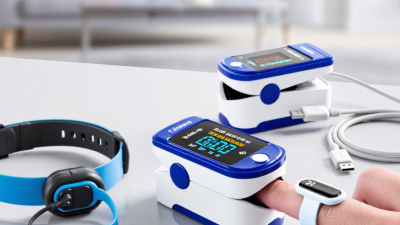
For a steadier reading, sit quietly for several minutes and warm a cold hand. Remove dark nail polish or artificial nails if possible. Place the clip on your index or middle finger, then rest your hand comfortably at heart level. Keep still. Wait until the numbers stop changing, which may take 30 to 60 seconds. Record both oxygen saturation (SpO2) and pulse rate, along with the time.

If the display seems unexpected, check that the sensor fits securely and your finger is warm. Try another finger and repeat the measurement after a short rest. Follow the device instructions, since models can differ. A single number is not a diagnosis, and symptoms matter. Seek medical advice for concerning symptoms, even if the reading looks normal.

Readings have limitations. A 2020 New England Journal of Medicine study by Sjoding and colleagues found occult hypoxemia—blood oxygen below 88% despite a pulse oximeter reading of 92% to 96%—in 11.7% of measurements from Black patients, compared with 3.6% from White patients. The study involved hospital patients, not home users, but it underscores why readings should be interpreted cautiously. Small details can interfere, and I would not treat a neat-looking number as proof that everything is fine.

What Is a Pulse Ox Monitor and How Does It Work?

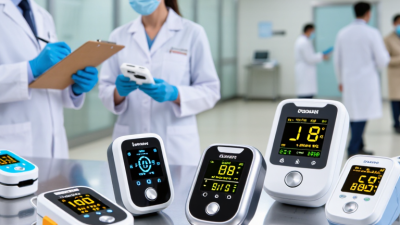
Example pulse oximeter readings

A pulse oximeter clips onto a finger and uses light to estimate blood oxygen saturation (SpO₂) and pulse rate. These illustrative readings fall within the commonly expected SpO₂ range of 95%–100% for many healthy people at sea level. Readings can be affected by factors such as movement, cold fingers, or poor circulation; a single reading is not a diagnosis.

Factors That Can Affect Reading Accuracy

Factors That Can Affect Reading Accuracy

A pulse oximeter estimates blood oxygen through light passing across a fingertip. The number can shift when circulation is poor, hands are cold, or the sensor moves. Nail polish and artificial nails may also interfere. The FDA notes that skin pigmentation, skin temperature, tobacco use, and other factors can affect accuracy. A chilly finger can look normal but still give a shaky reading.

Research shows why context matters. In a 2020 New England Journal of Medicine study, occult hypoxemia—low arterial oxygen missed by the oximeter—occurred in 11.7% of Black patients, compared with 3.6% of White patients in one patient group. The study does not predict an individual’s result, but it highlights that readings may not perform equally for everyone. Symptoms and clinical assessment still matter.

Tips: Warm your hand, remove dark polish if practical, and sit still while the device settles. Try another finger if the number seems surprising. Record the reading and time, then compare it with how you feel. One reading is not the whole story. If you have concerning symptoms, seek medical advice rather than relying on the device alone.